

Ripple Effect Kenya’s newly launched learning site brings soil management, diverse crops and rural enterprise into one practical space. Its next task is to turn demonstrations into knowledge farmers can use at home.
By Kilimokwanza.org Team
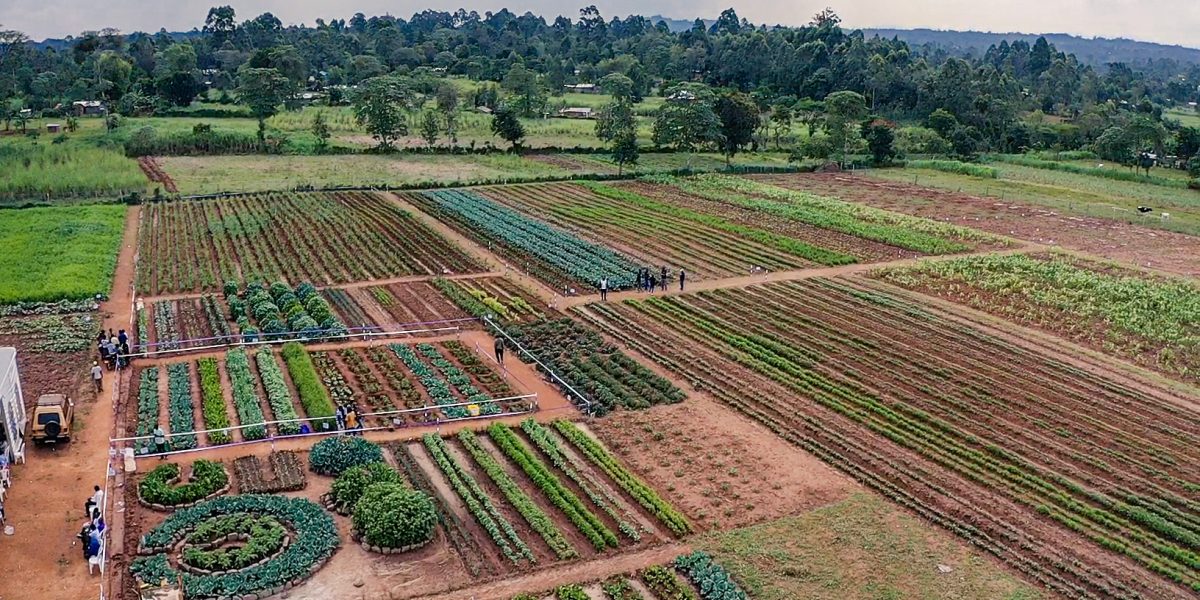
KAKAMEGA, Kenya — Straight rows of crops sit alongside circular gardens, with paths separating plots where different approaches to growing food can be explored. An aerial photograph of Ripple Effect Kenya’s new Agroecology Hub shows a farm designed for more than production: it is also a place to stop, observe and ask questions.
The five-acre site in Chesero, Malava Sub-County, officially launched on 19 November 2026, according to post-event information supplied by Ripple Effect Kenya. Community members joined county government representatives, development stakeholders and the organisation’s leadership for an introduction to its demonstrations and longer-term plans.
Supported by funding from Riverford, the hub is intended to connect practical agricultural learning with the realities of rural livelihoods. Its ambitions include farmer training, sustainable crop and livestock development, agricultural enterprise and stronger relationships with market actors.
The launch moves the initiative beyond the plans outlined in Kilimokwanza’s earlier coverage. The question now is how the site will help farmers translate what they see into decisions suited to their own land, labour and resources.
A farm where the layout is part of the lesson
Organised into five functional zones, the hub features fruit trees, cereals, indigenous vegetables, horticultural crops and forage grasses.
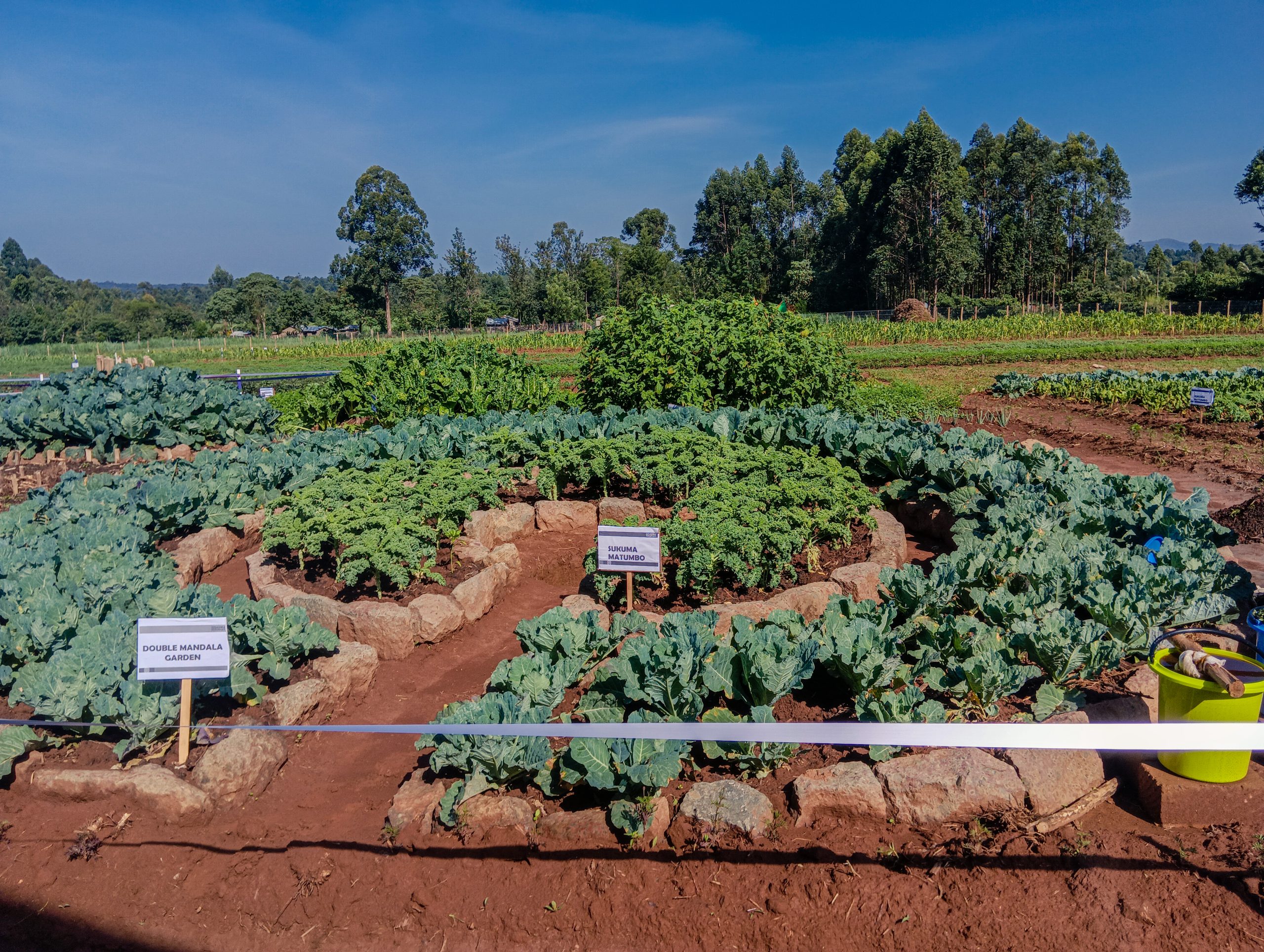
Its demonstration gardens include keyhole and mandala designs, double-dug beds and sunken beds. Together, they give visitors different examples of how growing spaces can be organised and managed.
Ripple Effect’s post-launch account describes keyhole gardens as an opportunity to incorporate organic materials into compact growing areas. Double-dug beds demonstrate soil preparation intended to support root development, while sunken beds illustrate moisture-conservation approaches under suitable conditions. Mandala gardens offer an alternative arrangement of crops and access paths.
The value of placing these approaches side by side is the opportunity for discussion. Farmers can examine how a bed is prepared, what materials it requires and whether the same method would make sense on their own holdings.
A demonstration is most useful when it opens those questions rather than presenting one design as the answer for every farm.
Making agroecology practical
Agroecology can sound abstract until it is connected to everyday farming decisions: what happens to crop residues, how soil is protected, which crops grow together and how livestock fit into the household’s production system.
Ripple Effect describes its approach as considering soil, crops, water, livestock, nutrition and markets together. Its wider training work includes composting, mulching, crop diversification, agroforestry and improved animal management. The emphasis is on working with farmers’ knowledge and adapting practices to local conditions. Read about Ripple Effect’s agroecology approach.
The Kakamega hub gives that approach a physical setting.
Instead of discussing soil management only in a meeting, trainers and farmers can examine a growing bed. Instead of treating diversification as a list of recommended crops, visitors can see different types of production within the same site.
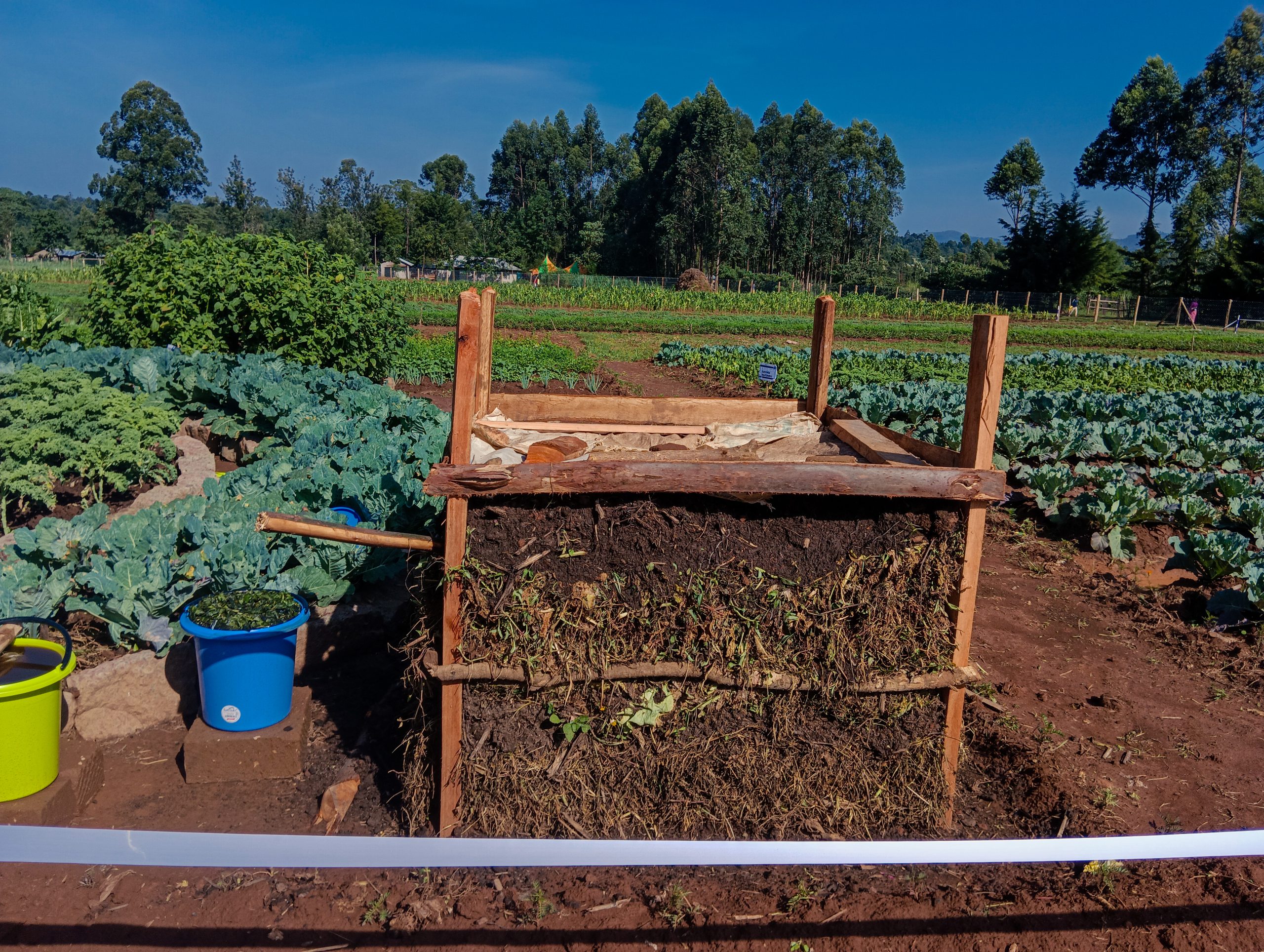
The supplied photographs show the range of demonstration spaces, including a double mandala garden and a composting area. They document the hub’s learning infrastructure; evidence of how practices perform on participating farmers’ holdings will need to develop over time.
County participation and community learning
Among those attending the launch was Penina Mukabane, identified in the organisers’ account as Kakamega County’s Executive Committee Member responsible for Water, Environment, Natural Resources and Climate Change.
According to that account, Mukabane emphasised the importance of sustainable farming and community education, highlighting demonstration farms as places where farmers can explore organic approaches and environmental protection.
Isaac Litandi, identified as chair of Ripple Effect’s board, also emphasised community partnerships and acknowledged the partners supporting the hub.
The organisation reported a large community turnout, although the material supplied to Kilimokwanza did not give an attendance total. That participation provides an opening for continued engagement, rather than a measure of adoption or impact in itself.
The work ahead will depend on maintaining opportunities for farmers to return, exchange experiences and discuss what succeeds—or proves difficult—after trying an approach.
Linking learning with earning
The hub’s plans extend beyond demonstrations.
Ripple Effect envisages producing seedlings, planting materials and other agricultural products as part of its agricultural enterprise activities. These are longer-term opportunities intended both to support livelihoods and contribute to the hub’s operational sustainability.
That connection matters. Farmers assessing a new practice need to understand its costs, labour requirements and potential returns alongside its environmental benefits.
A diversified plot may offer several types of food or produce, but the household still needs to decide what it can consume, store or sell. Planting materials need dependable buyers. An enterprise needs sufficient income to cover its expenses.
The hub’s proposed market-systems work offers a route for bringing those commercial questions into the learning process. The post-launch material, however, does not yet establish sales volumes, farmer income gains or confirmed market agreements.
The work begins after the launch
For a newly opened demonstration centre, the most useful results will emerge across farming seasons.
Which methods do visitors choose to try? Can they obtain the necessary materials? How much labour is involved? Do the practices improve production, reduce losses or help households manage difficult weather?
Tracking those experiences would help the hub distinguish an attractive demonstration from an approach farmers can sustain.
Its five acres cannot reproduce every condition found across Kakamega’s farms. They can provide a meeting point where techniques are examined, farmers’ experience is heard and ideas are tested before wider adoption.
The launch has opened that space. Its lasting contribution will depend on what farmers take from it—and what their experience brings back.
Reporting basis: Ripple Effect Kenya’s supplied post-launch article, launch brief and photographs. Event details and project plans are attributed to the organisation; no independent site visit was conducted. Photographs courtesy of Ripple Effect.
Do you have a story or press release for African agriculture? Send it to kilimokwanza.africa@gmail.com or read how to submit.