April 11, 2026
by Elizabeth Lizz
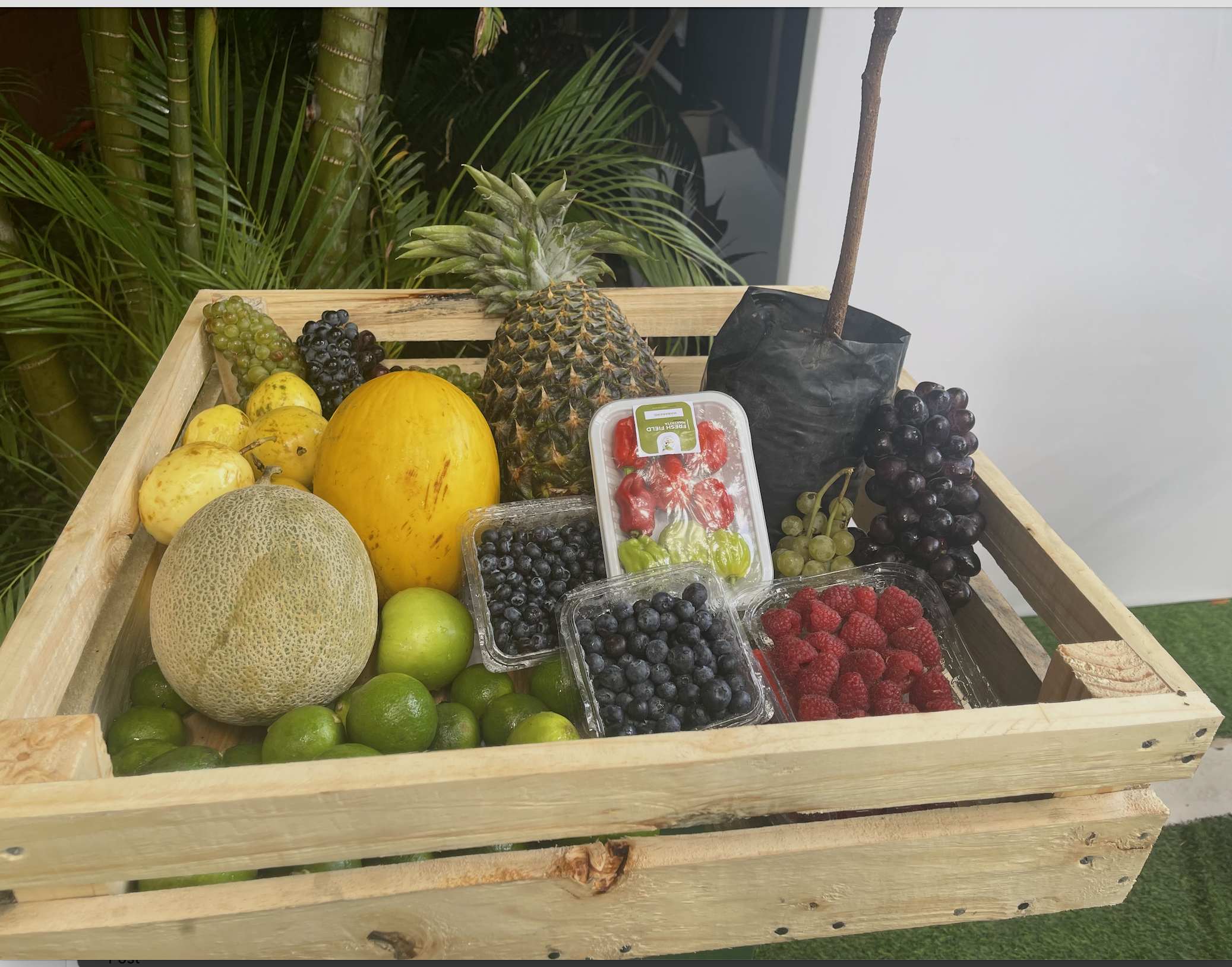
By Kilimokwanza If Tanzania’s vegetable farming is dominated by a small number of crops, its fruit farming is dominated by a single one. The July 2025 research brief titled Vegetable, Fruit, and Staple Crop Production and Input Use: Baseline Findings from the FRESH End-to-End Evaluation (Tanzania Evaluation, Research Brief 3, July 2025), assessing agricultural production […]
April 11, 2026
by Elizabeth Lizz
By Kilimokwanza Arusha and Kilimanjaro sit beside each other on the map, share a climate zone shaped by Mount Kilimanjaro, and are often grouped together in development programming. The July 2025 research brief titled Vegetable, Fruit, and Staple Crop Production and Input Use: Baseline Findings from the FRESH End-to-End Evaluation (Tanzania Evaluation, Research Brief 3, […]
April 10, 2026
by Elizabeth Lizz
By Kilimokwanza Walk into a kitchen in Arusha or Kilimanjaro and you are likely to encounter African eggplant. Known locally as nyanya chungu, or bitter tomato, it appears in stews, relishes, and soups across both regions. It is not an exotic ingredient. It is a daily food, a traditional vegetable with deep roots in local […]
April 10, 2026
by Elizabeth Lizz
By Kilimokwanza Amaranth, known in Kiswahili as mchicha, is one of the most nutritionally dense leafy vegetables grown in East Africa. Rich in iron, calcium, protein, and vitamins A and C, it is among the greens most frequently mentioned in discussions of food-based approaches to addressing micronutrient deficiencies in the region. It is widely cultivated, […]
April 9, 2026
by Elizabeth Lizz
By Kilimokwanza On a typical vegetable farm in Arusha or Kilimanjaro, tomatoes occupy a special place. They are grown on nearly half the plot dedicated to them, almost double the land share given to any other vegetable. They receive fertiliser at a rate of 95% of farming households, more than any other crop in the […]
April 9, 2026
by Elizabeth Lizz
By Kilimokwanza Correspondent The question of why so few Tanzanians eat enough fruit and vegetables is often framed as a market problem, a behaviour problem, or an affordability problem. A baseline evaluation published in July 2025 by researchers from the International Food Policy Research Institute and partners suggests it is also, at a foundational level, […]
April 8, 2026
by Kilimokwanza Africa
KILIMOKWANZA SPECIAL SERIES: ON AGCOT • WHAT TRANSFORMATION ACTUALLY LOOKS LIKE Eighteen portraits from Tanzania’s agricultural corridor • Batch 4: The AGCOT Leadership • kilimokwanza.org The Board Chairman Who Walked the Fields First Dr. Ally Hussein Laay has chaired the AGCOT Centre board since 2018 – through a pandemic, an institutional rebrand, a USD 6.34 […]
March 22, 2026
by Kilimokwanza
Kilimokwanza.org 2026- R6 The history of Egerton University serves as a profound microcosm of the larger socio-economic and political shifts that characterized East Africa throughout the twentieth century. Established at the nexus of colonial settler ambition and the pragmatic requirements of imperial food security, the institution’s trajectory from a rudimentary farm school to a premier […]
March 22, 2026
by Christine Afandi
Trade Policy · Food Systems · Tourism The Food Tax Tourism Trap Are EU tariff rules turning East African food souvenirs into contraband — and costing small producers money they will never see? By Christine Afandi A. · Kilimo Kwanza A tourist comes to East Africa. Falls in love with the place. The people. The […]
March 10, 2026
by Kilimokwanza
At the Njombe Regional Secretariat, 9 March 2026. AGCOT Board Chairman Dr Ally H. Laay and Board Member Laurean R. Bwanakunu join Regional Commissioner Hon. Anthony Mtaka, AGCOT CEO Geoffrey Kirenga, AGM Chair Mark Magila, and Dr. Lutgart Lenaerts, First Secretary for Agriculture, Climate and Environment at the Royal Norwegian Embassy, following a courtesy call […]