May 28, 2022
by Kilimokwanza Africa
Mr. Geoffrey Kirenga is the CEO SAGCOT Centre Limited. He has a wealth of experience in East African agriculture value chains. Mr Mwakasaka Ipyana spoke with him about food systems transformation, seeds and AGRA support to the agricultural sector, including his views on AGRA impact. The following are excerpts of the interview: Tanzania is currently […]
May 20, 2022
by Kilimokwanza
*Workable input distribution networks key to technology adoption, sustainable and improved food systems Dr Joseph Mhagama is a Member of Parliament for Madaba Constituency in Tanzania, chair of parliamentary committee on Law and Constitution and the CEO of RUCODIA (Ruvuma Commercialization and Diversification of Agriculture)” a vocal civil society about commercialization and diversification of agriculture as a […]
April 24, 2022
by Kilimokwanza Africa
By Vianey Rweyendela Smallholder farmers in Tanzania have something new to smile about. Early March 2022, Prime Minister Kassim Majaliwa inaugurated District Agricultural Development Plans (DADPs) for 30 out of 184 Local Government Authorities(LGAs). DADPs are pivotal bottom-up planning tools, considering the vast geography of the nation. It will guide the LGAs in identifying […]
April 19, 2022
by Africa Kilimo
February 19, 2022
by Kilimokwanza
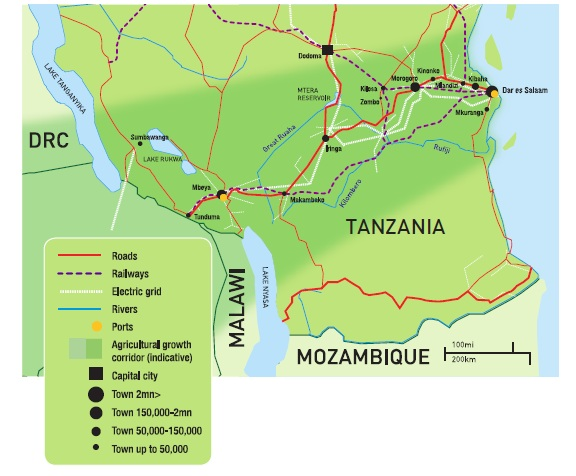
The Southern Agricultural Growth Corridor of Tanzania (SAGCOT) is an ambitious initiative that aims to increase agricultural productivity and boost economic growth in southern Tanzania. Spanning eight regions—Morogoro, Iringa, Mbeya, Ruvuma, Njombe, Songwe, Katavi, and Manyara—SAGCOT covers about one-third of Tanzania’s total land area. With a focus on enhancing food security, improving farmer incomes, and […]
December 20, 2021
by Africa Kilimo
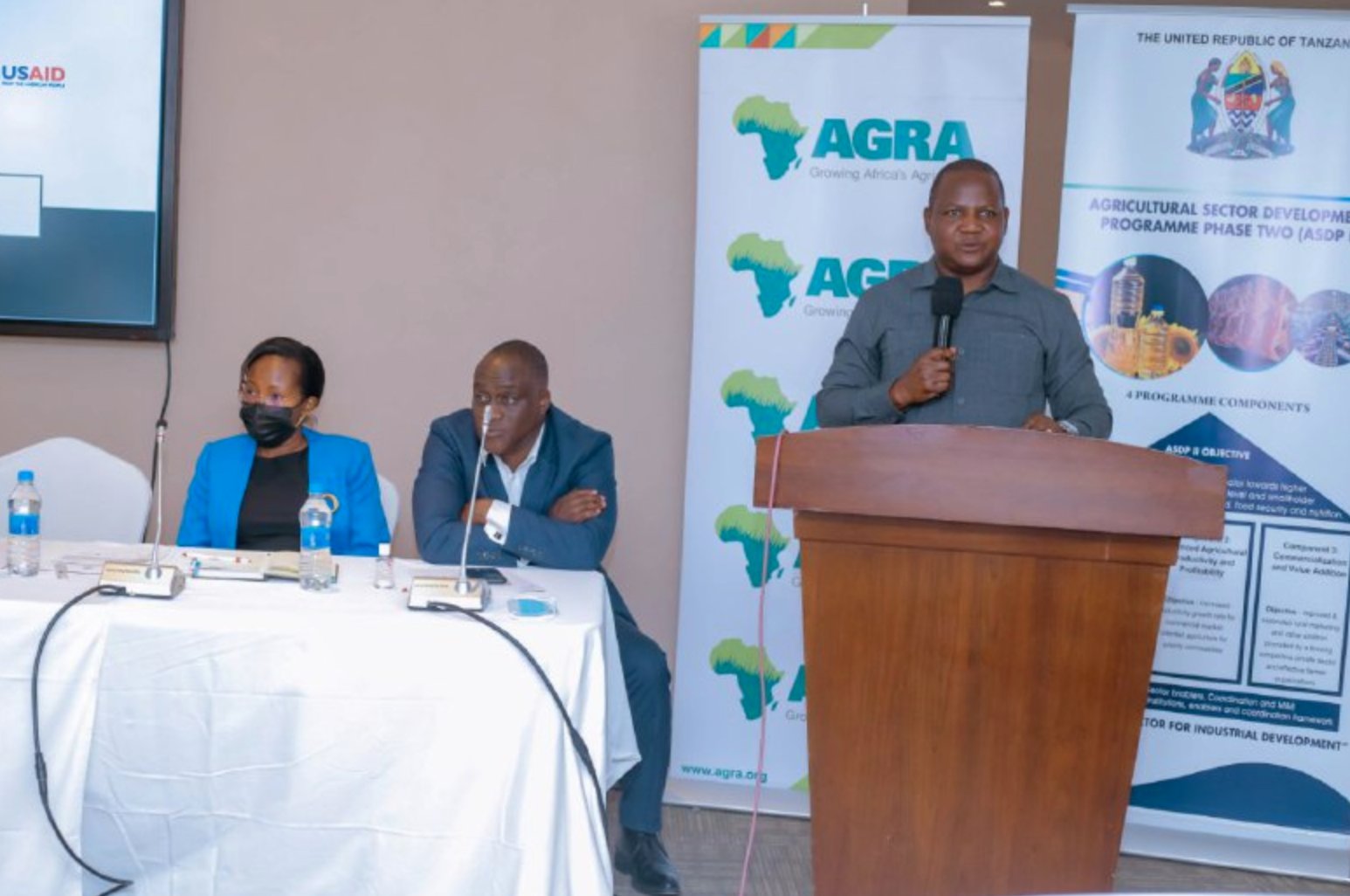
In the bustling city of Dar es Salaam, under the warm Tanzanian sun, a crucial workshop unfolded on the 17th of December, 2021. The focus was the Joint Agriculture Sector Review (JSR) report, a document set to shape the future of Tanzania’s agricultural landscape. This significant gathering was not just another bureaucratic assembly; it was […]

December 7, 2021
by Africa Kilimo
Dar es Salaam, Tanzania: The Southern Agricultural Growth Corridor of Tanzania (SAGCOT) has unveiled its 2020 Annual Report, detailing a year characterized by resilience and sustained growth amidst global challenges. The report reflects SAGCOT’s commitment to advancing agricultural development in Tanzania, highlighting key financial achievements and the impact on smallholder farmers. Financial Growth Amidst Global […]
November 1, 2021
by Africa Kilimo
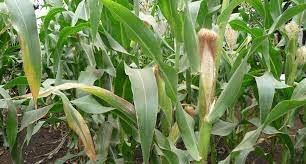
Nestled in the verdant expanses of Momba District, within the Mbeya Region, the Ipumpila Maize Farmers Cooperative Society (IMPAFCO) is breaking the mold of traditional farming with a resolute chant of “Kilimo Kwanza” – agriculture first. From the thrust of struggle against exploitation to the pinnacle of over 1,000 tons of maize per annum, IMPAFCO’s […]
August 31, 2021
by Kilimokwanza
Programme Document August 2020
August 27, 2021
by Africa Kilimo