
Kilimo Kwanza
African Agriculture and Food Systems
African Agriculture and Food Systems

DODOMA · CLOSING DAY RETROSPECTIVE · 8 AUGUST 2026 Dodoma, 8 August 2026 — On the final day of this year’s Nane Nane celebrations…
NAIVASHA, KENYA — Along the volcanic landscapes of the Great Rift Valley, the cool morning mist rising from Lake Naivasha carries an unmistakable sense…
Rachel Mbabazi — Kilimokwanza Women -Celebrating the UN International Year of the Woman Farmer 2026 No. 2 · The Advocate The Woman Who Gave…
Kilimokwanza · Livestock, Fisheries & Apiculture Series · Issue 1 · Dairy Cattle Kilimokwanza| Agriculture & Agribusiness, East Africa Livestock-Fisheries-Apiculture / Issue 1…
Low Capital, High Impact For Kenya’s Emerging Manufacturers Kenya spends over KES 500 billion annually importing products that can be made locally with simple…

FEATURE • WOMEN IN AGRICULTURE A child of the Pare highlands who would grow up to reshape what grows across East Africa. From the…
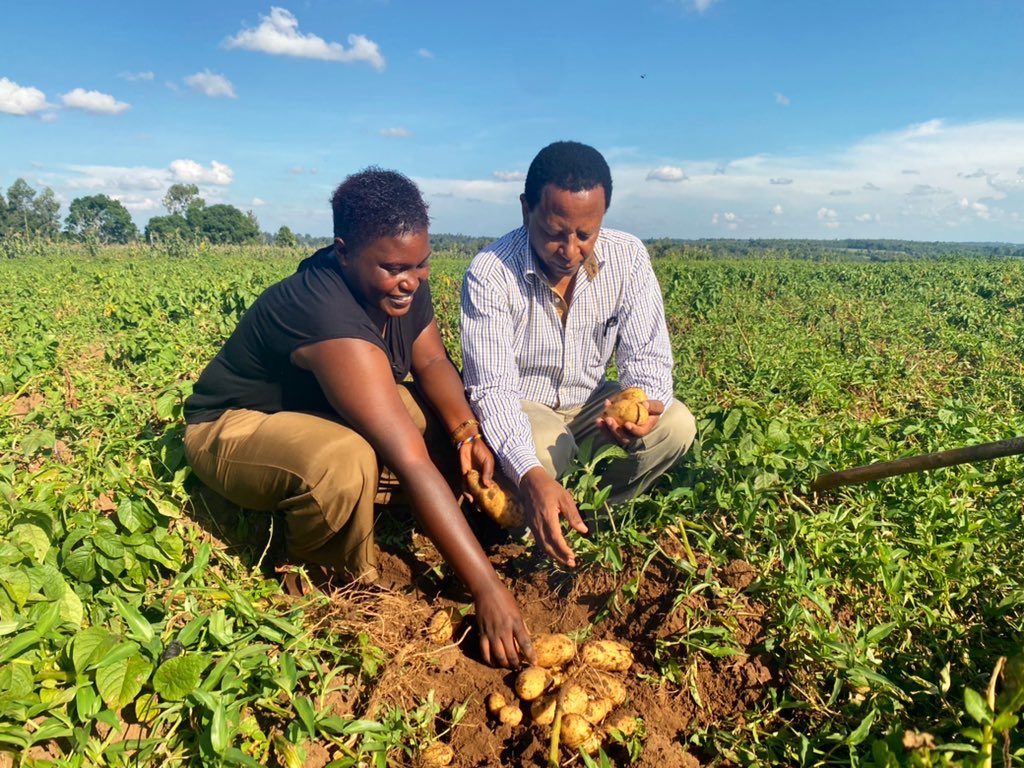
The Irish potato is East Africa’s third most important food crop, after maize and bananas. Yet smallholder yields stagnate at 7–10 tonnes per hectare…
It began with a cardboard box, a Finnish potato enthusiast, and a small Tanzanian company knocking on cold doors in the Netherlands. A decade…
By Kilimokwanza Tanzania’s agricultural export performance has been one of the sector’s genuine success stories in recent years. The value of export crops nearly…

By Elizabeth Shumbusho Agriculture feeds Tanzania. And Tanzania’s youth — statistically — feed agriculture. Young people aged 15 to 35 make up 62.4 percent…
By Charles Mwangi Tanzania achieved food self-sufficiency in 2025. It is a milestone worth celebrating — the country now produces enough food to feed…
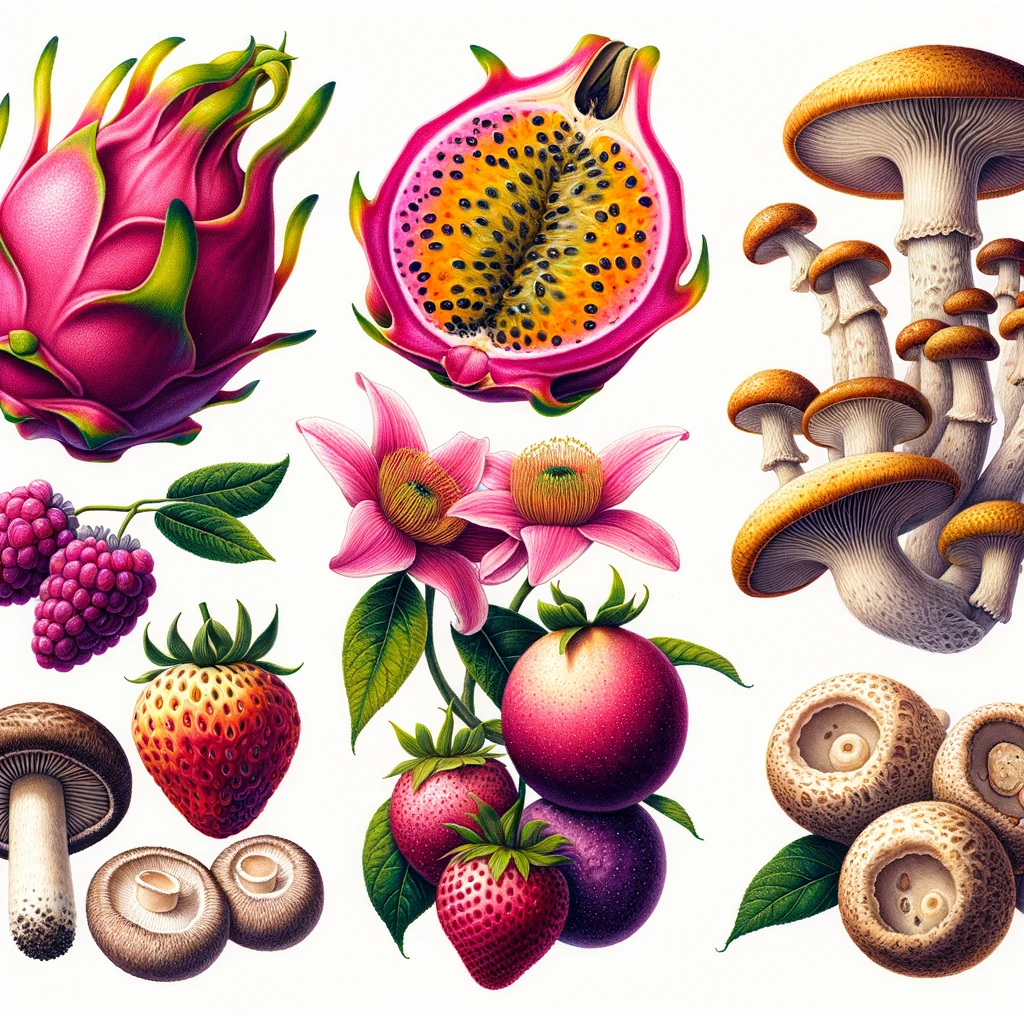
By Kilimokwanza Thirty-five grams. That is roughly a quarter of a small mango. Half an orange. Two modest slices of papaya. It is the…
By Kilimokwanza Tanzania has a mobile money success story that much of the world envies. Seven in ten adults use mobile money services. Financial…

There is a story we tell ourselves about hunger and body weight in Africa, and it goes roughly like this: poverty causes undernutrition, and…

By Elizabeth Shumbusho In 2010, Tanzania launched an ambitious experiment. The Southern Agricultural Growth Corridor of Tanzania — SAGCOT — set out to bring…
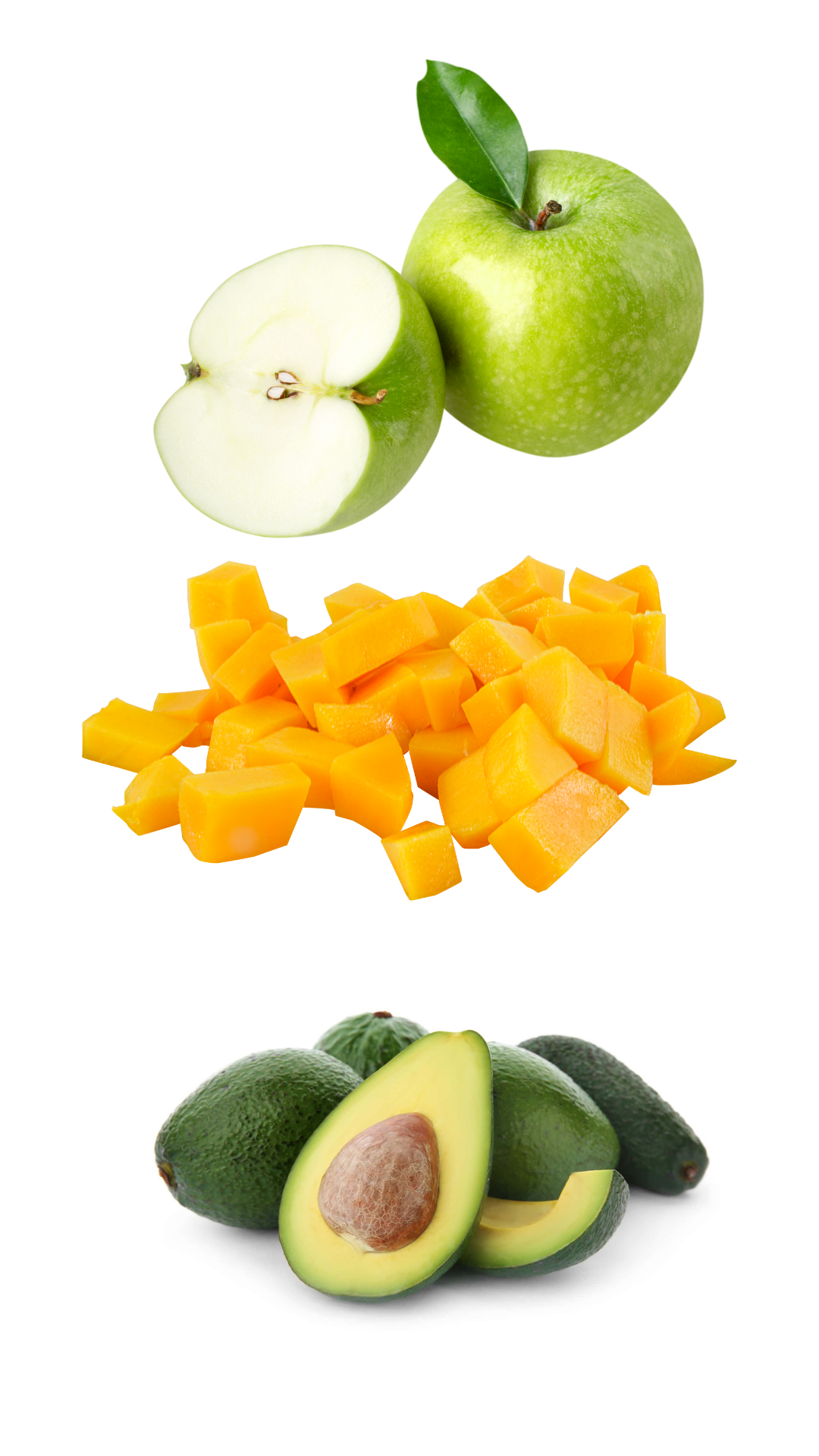
By Kilimokwanza Mama Amina wakes before dawn to prepare breakfast for her family before the long walk to the shamba. She has never felt…
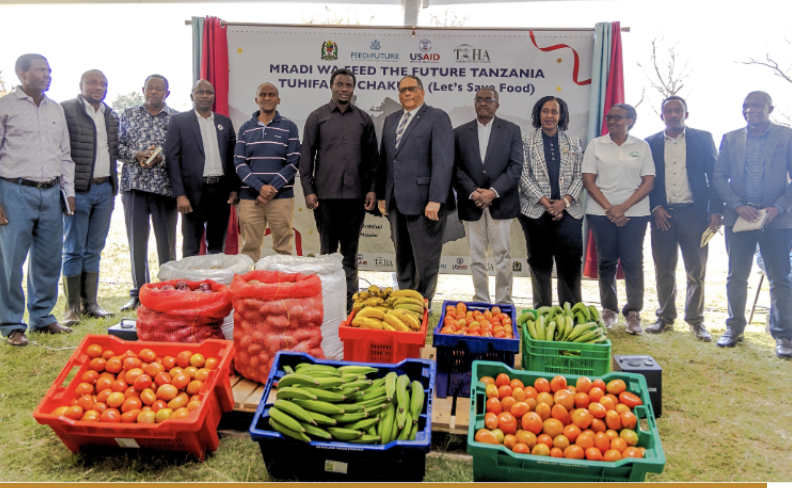
By Kilimokwanza There is a convenient assumption buried in conversations about vegetable production and nutrition in Africa: that more vegetables, grown by more farmers,…
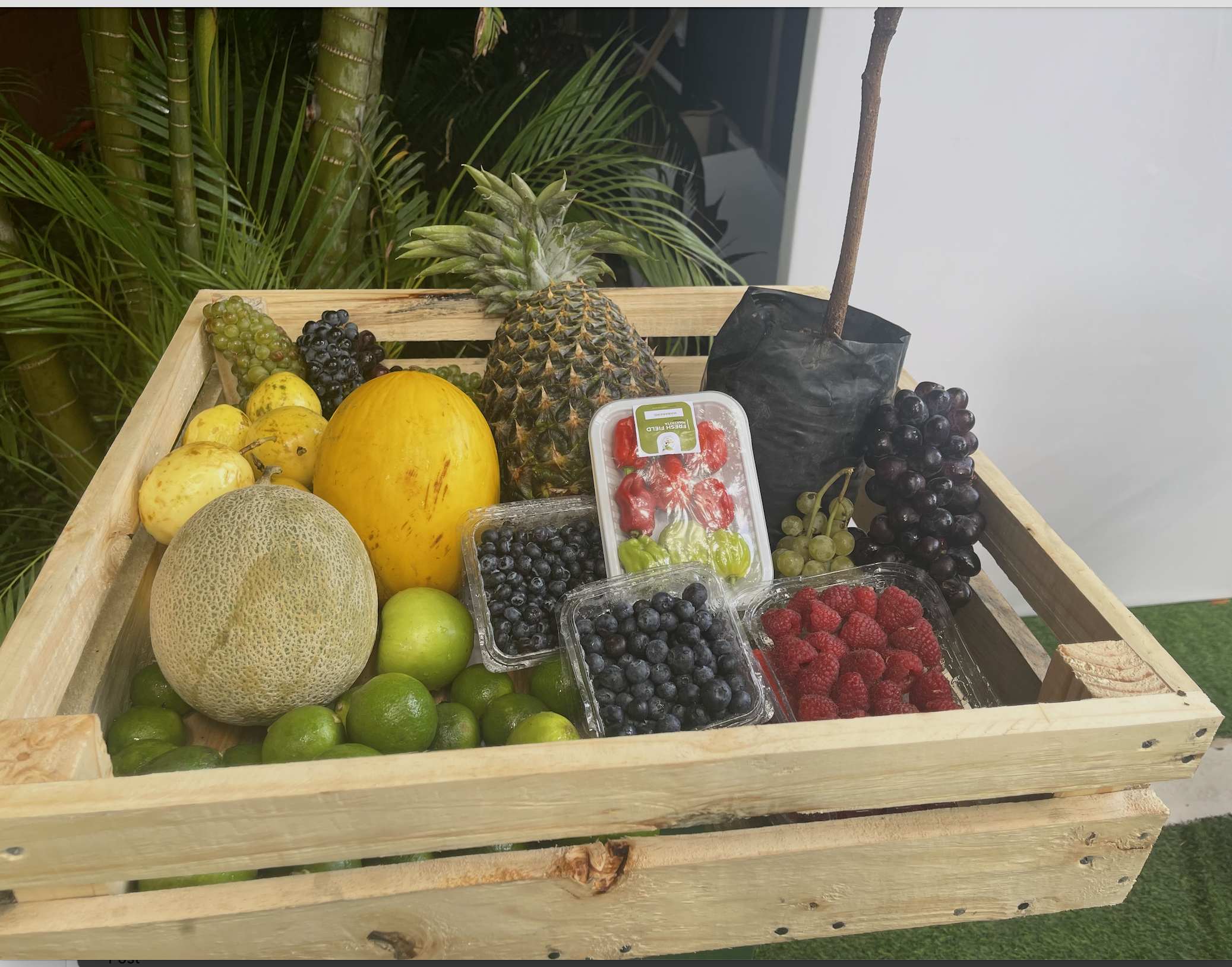
By Kilimokwanza If Tanzania’s vegetable farming is dominated by a small number of crops, its fruit farming is dominated by a single one. The…

By Kilimokwanza Arusha and Kilimanjaro sit beside each other on the map, share a climate zone shaped by Mount Kilimanjaro, and are often grouped…
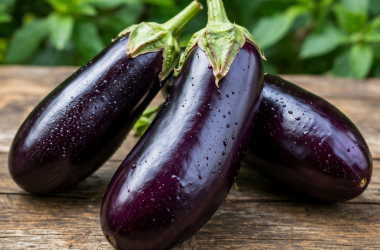
By Kilimokwanza Walk into a kitchen in Arusha or Kilimanjaro and you are likely to encounter African eggplant. Known locally as nyanya chungu, or…
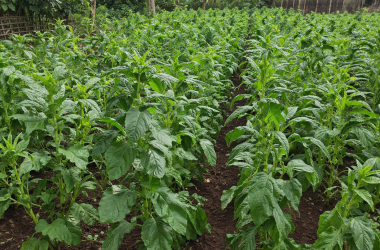
By Kilimokwanza Amaranth, known in Kiswahili as mchicha, is one of the most nutritionally dense leafy vegetables grown in East Africa. Rich in iron,…
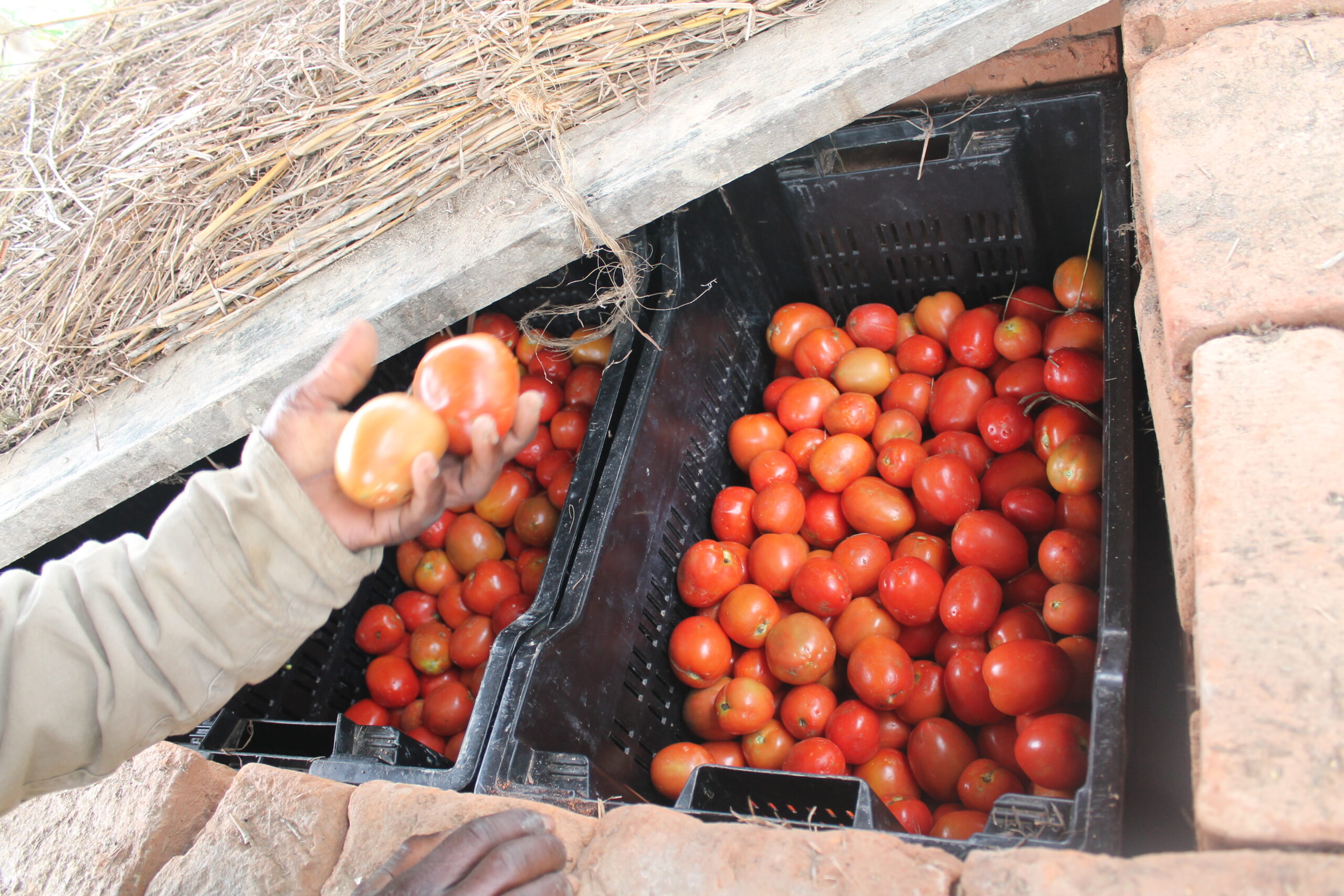
By Kilimokwanza On a typical vegetable farm in Arusha or Kilimanjaro, tomatoes occupy a special place. They are grown on nearly half the plot…
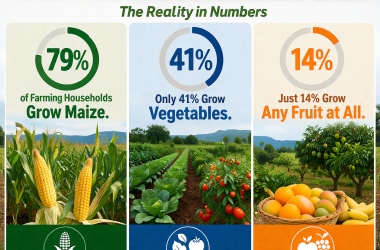
By Kilimokwanza Correspondent The question of why so few Tanzanians eat enough fruit and vegetables is often framed as a market problem, a behaviour…