By Sifa Lubasi, Dodoma
An Israeli agriculture and agribusiness expert, Oran Reuveni, has said that avocado and mango farming in the country must adopt modern, professional orchard management and learn to work around environmental constraints in order to raise production efficiency.
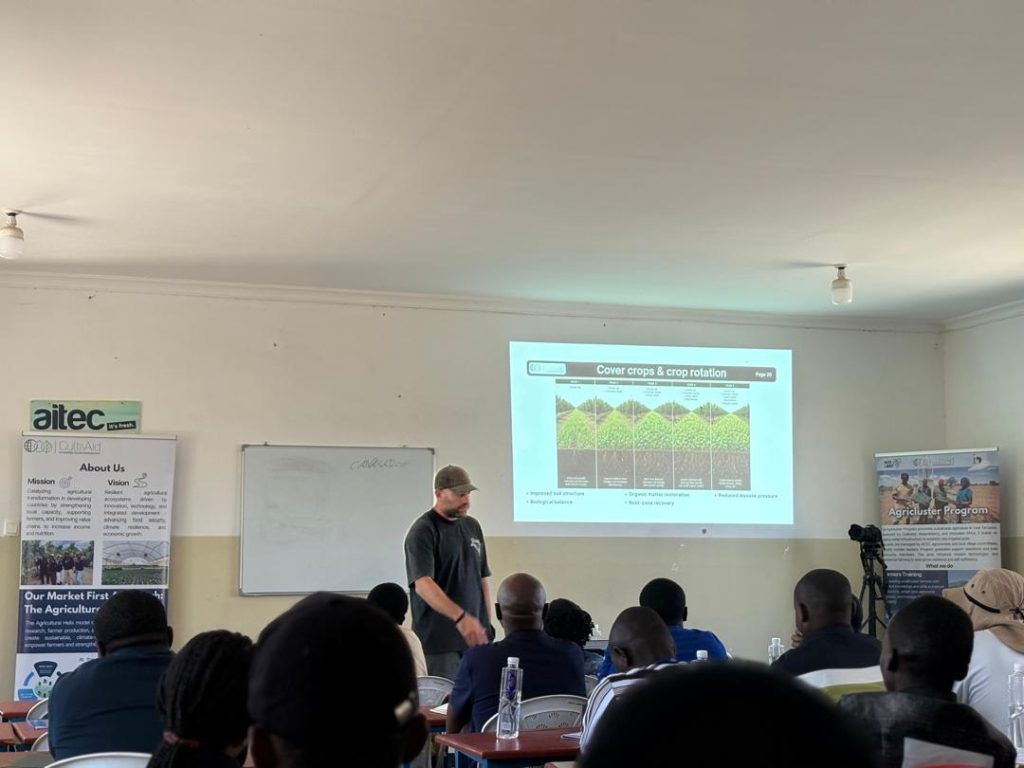
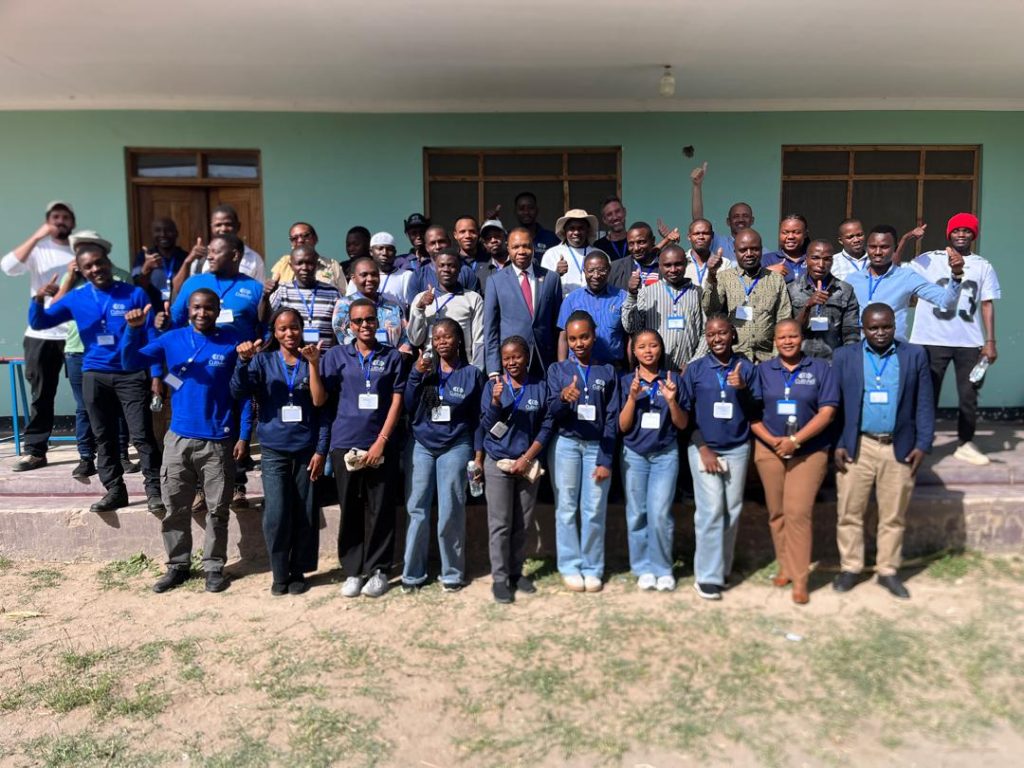
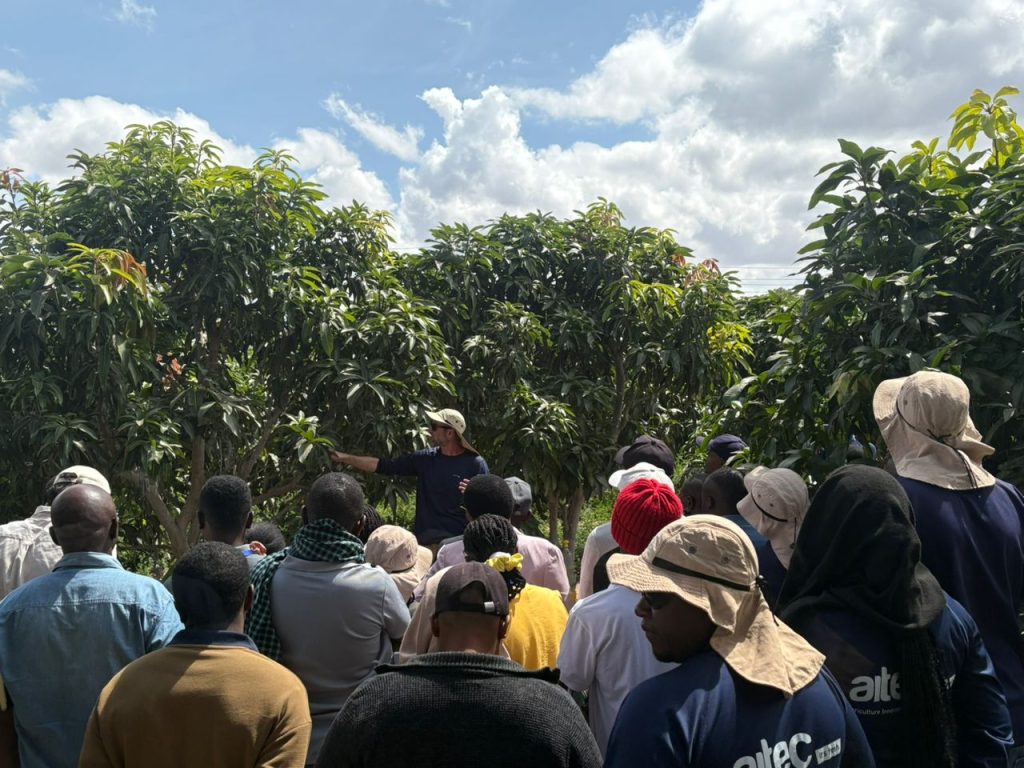
He was speaking in Dodoma yesterday during a capacity-building session for farmers, leaders and specialists on modern orchard management. The training, organised by CultivAid, was held at the demonstration farm of the Agricultural Innovation and Technology Centre (AITEC). It drew participants from 13 regions, among them specialists from the Tanzania Horticultural Association (TAHA), the Tanzania Mango Growers’ Association (AMAGRO), the National Irrigation Commission (NIRC) and the Tanzania Agricultural Research Institute (TARI).
A third-generation farmer and agronomist who specialises in tropical and subtropical orchard systems, Reuveni framed the day around a single message: that there are no universal recipes in agriculture, only biological principles applied correctly to the conditions in front of you. The aim, he told participants, was to understand systems rather than memorise actions — to read how a tree responds before intervening, and to think in terms of seasons and decades rather than from one season to the next.
Reuveni urged farmers to manage their orchards well, explaining that success in fruit growing begins long before a tree goes into the ground, with an understanding of the relationship between a tree’s biology and the environment around it. The market, he said, should determine crop choice, variety, production targets and harvest timing, while the environment dictates orchard design, root-zone strategy, irrigation and canopy structure. “Every orchard is the result of biological responses to the decisions we make,” he said.
Successful orchard management, he added, starts the moment a farmer or specialist grasps the limitations of the environment in which they are working — water shortages, difficult soils, climate, disease pressure, weak infrastructure and market constraints.
“The goal is not to find perfect conditions, but to build systems that can work successfully under real conditions,” he said.
The agronomic tools for doing so, according to Reuveni, include canopy management, raised beds, nursery structures, net houses, efficient irrigation, soil improvement, windbreaks and — crucially — the right pairing of variety and rootstock. He devoted particular attention to grafting, explaining that a fruit tree is in effect two different genetic systems joined into one: a scion taken from a proven, productive variety, grafted onto a rootstock chosen for the site.
The rootstock, he stressed, does far more than anchor the tree. It influences salt and limestone tolerance, adaptation to heavy soils, disease resistance, water-use efficiency, tree vigour, yield potential, fruit quality and the working life of the orchard. Not every variety-and-rootstock combination performs equally well, he cautioned, advising growers to first choose the variety the market wants, then identify the rootstocks that suit it, then match that pairing to the soil, water quality, climate and disease pressure of their own land.
“A single plant variety can show different characteristics under different conditions. The key factors to consider include the climate, soil type, water quality, the salinity of the soil or water, drainage and disease pressure,” he stressed.
Reuveni also took participants through the physiology of young orchards, warning that newly planted trees can behave like mature ones and begin flowering and fruiting before they are properly established. Because fruit is the strongest energy sink in a tree — ahead of flowers, with vegetative growth and roots the weakest — growers must deliberately manage the balance between vegetative and reproductive growth using irrigation, nutrition, pruning and controlled stress. “Professional management means influencing tree behaviour before visible responses appear,” he said.
Much of that behaviour, he explained, is governed below ground. Soil aeration, drainage, water-holding capacity and root penetration shape how roots function, and the same tree will perform differently in different soils — which is why he recommended raised beds for heavy, poorly drained or waterlogged land, alongside cover crops to build organic matter and biological balance. He cautioned, however, that cover crops also compete for water and nutrients and can alter pest and disease dynamics if poorly managed.
On nutrition, Reuveni noted that a tree’s demand shifts across the production cycle — nitrogen for early canopy and root growth, phosphorus at the reproductive transition, potassium and calcium for fruit set and cell division — and that excess nitrogen can ultimately reduce fruit quality. Different crops, he added, have sharply different appetites, and fertiliser choice must follow the soil, the irrigation system, the crop and its stage of growth.
He closed on pest management, arguing that monoculture simplifies ecosystems and tends to raise pest pressure, while healthy soils, strong trees and biological diversity make an orchard more resilient. Good monitoring, he said, allows problems to be caught early and sprays to be reduced — “precision is better than aggression.” The orchard, in his telling, is best understood as an ecosystem in which tree balance, environmental balance and management decisions are continuously interacting.
A researcher from TARI Makutupora, Felister Mpole, said Dodoma’s climate is well suited to producing a range of fruits. “Avocado and mango are among the crops that can be produced in abundance and to a high quality thanks to the prevailing climate. We are encouraging farmers to invest more in fruit farming so as to raise their incomes and improve their lives,” she said.
A Value Chain Development Officer from TAHA, Ernest Mwakaleja, said the training had helped participants build skills that would enable them to support farmers in producing avocados of a quality that meets the demands of both domestic and export markets.
A mango farmer from AMAGRO, Hamad Mkopi, said the capacity-building session would help improve farming and lift fruit production nationally — echoing Reuveni’s own starting point. “A farmer needs to know what the market wants before starting production. The starting point is the market,” he said.