March 27, 2019
by Africa Kilimo
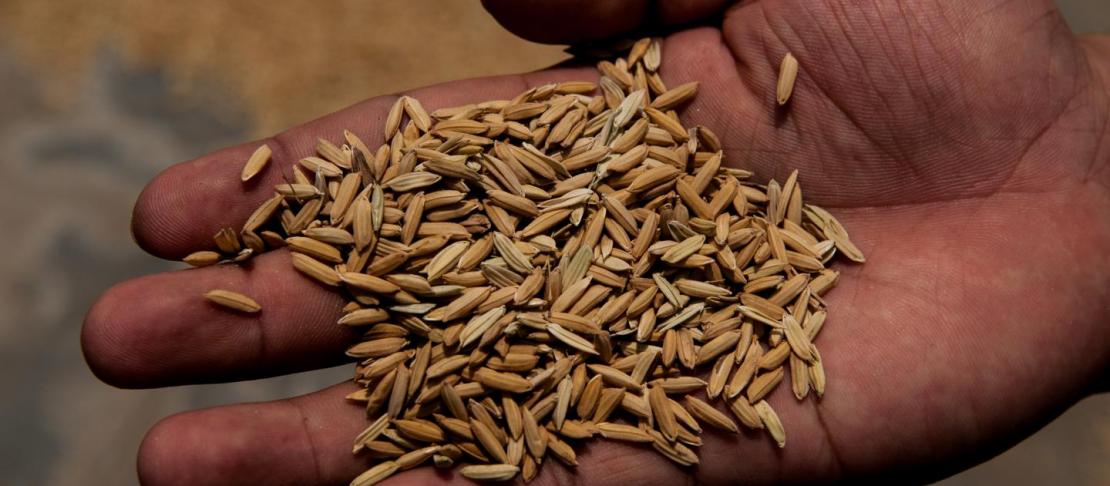
By combining the latest crop models and local expertise in Vietnam, Uganda and Nicaragua, scientists developed a process to pinpoint where cash crops and food security is most threatened by climate change. The tool can help streamline climate spending. CALI, COLOMBIA – Climate change is already making life harder on farmers, especially in developing nations. […]
March 11, 2019
by Africa Kilimo
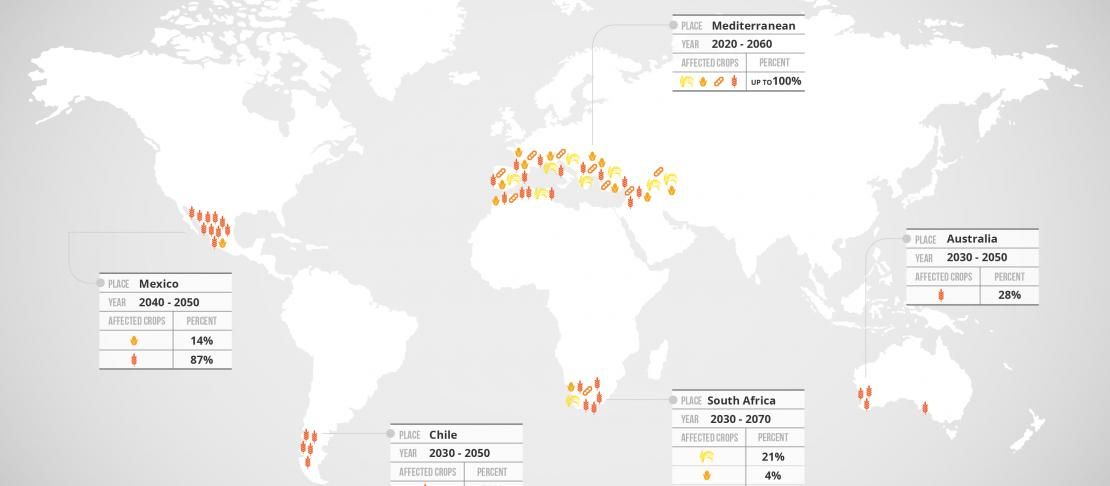
By 2040, rainfall on wheat, soybean, rice and maize will have changed, even if Paris Agreement emissions targets are met. Projections show parts of Europe, Africa, the Americas and Australia will be drier, while the tropics and north will be wetter. WAGENINGEN, THE NETHERLANDS – Even if humans radically reduce greenhouse gas emissions in the short term, […]
February 19, 2019
by Africa Kilimo
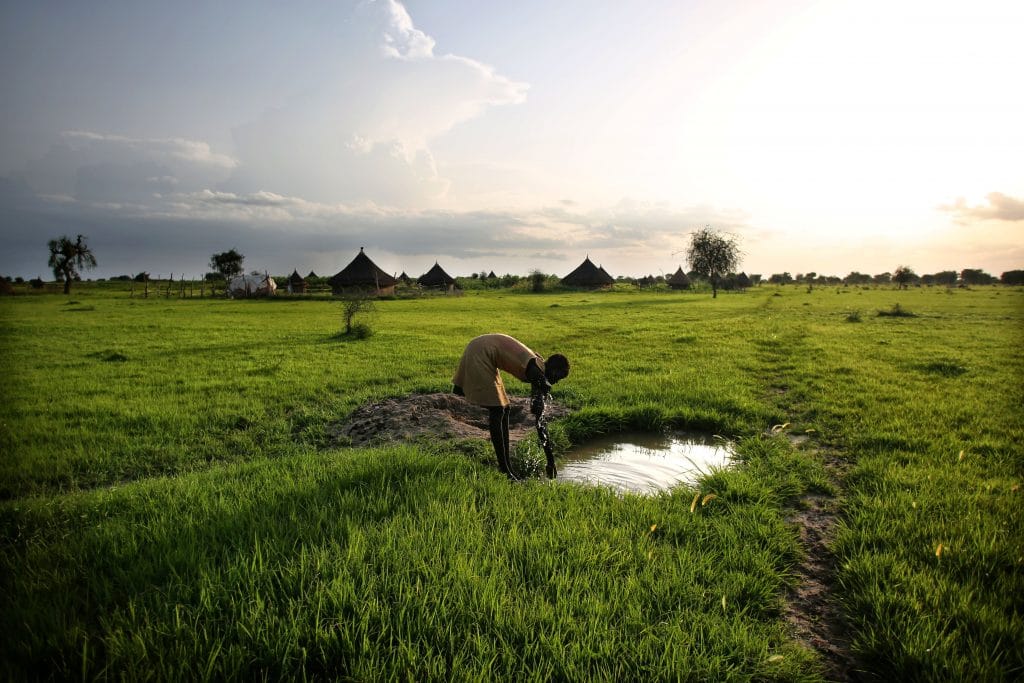
Study shows how crowdsourced citizen science can improve and accelerate crop variety recommendations In the context of rapidly evolving climate conditions, a new study by the CGIAR Research Program on Climate Change, Agriculture and Food Security (CCAFS), Bioversity International and partners addresses the challenge of climate adaptation in a way that is both scalable and targeted. […]
December 31, 2017
by Africa Kilimo
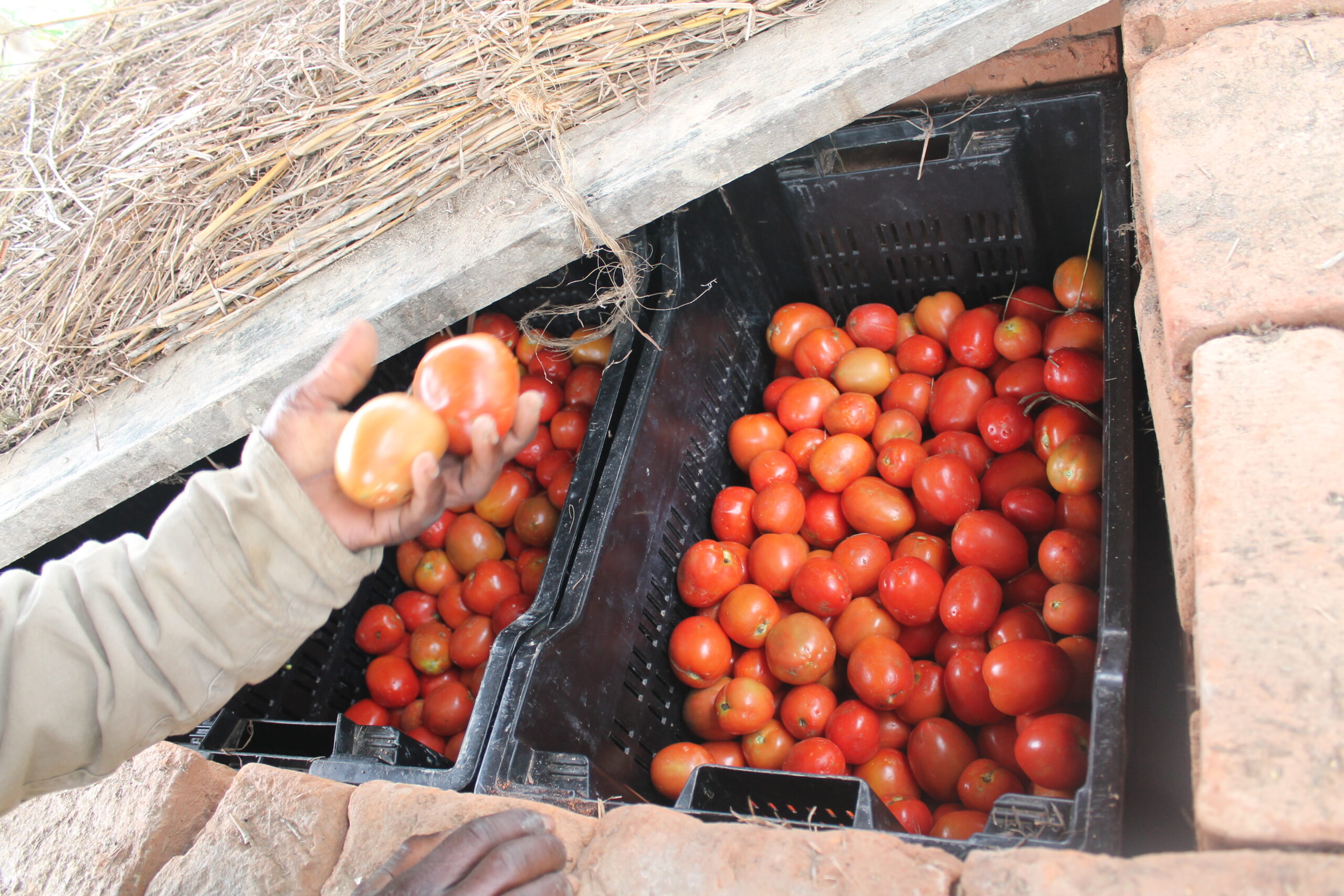
Kilimokwanza.org Team In Tanzania, a significant transformation in the agricultural sector is underway, led by the burgeoning horticulture industry, locally known as ‘Malimbichi’. This transition from subsistence to commercial farming marks a pivotal change for many regions. Stephen Ruvuga, the Executive Director of MVIWATA, captures the essence of this transformation: “It’s great to see horticulture, […]

December 7, 2017
by Africa Kilimo
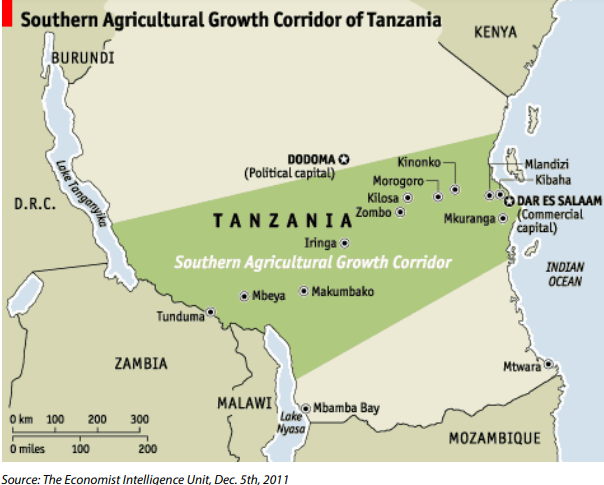
Dar es Salaam, Tanzania: The Southern Agricultural Growth Corridor of Tanzania (SAGCOT) has marked 2016 as a year of significant advancement in agricultural development and agribusiness, as highlighted in their recently released 2016 Annual Report. Promoting SAGCOT Brand and Strengthening Partnerships: SAGCOT has been proactive in promoting its initiatives at key regional and national platforms, […]
December 7, 2016
by Africa Kilimo
Once upon a time in Tanzania, a visionary initiative was born, one that aimed to transform the nation’s agricultural landscape and, in doing so, improve the lives of its people. This initiative was known as the Kilimo Kwanza Growth Corridors. The story begins in May 2010, during a gathering of influential minds at the World […]
October 4, 2016
by Africa Kilimo
The “Legal Guide to Strengthen Tanzania’s Seed and Input Markets” is a comprehensive document that aims to enhance Tanzania’s agricultural sector by developing and implementing effective legal and regulatory systems for agricultural inputs like seeds. It focuses on various aspects including variety release, registration, seed certification, trade, and the role of different stakeholders in the […]
July 18, 2016
by Africa Kilimo
[Dar es Salaam, Tanzania] – Bella Bird, the World Bank Country Director for Tanzania, Burundi, Malawi, and Somalia, in a comprehensive Q&A , delved deep into the essence and aspirations of the Southern Agricultural Growth Corridor of Tanzania (SAGCOT) and the World Bank’s significant role. This conversation brought to light the ambitious goals and strategic […]
January 7, 2016
by Africa Kilimo
The Southern Agricultural Growth Corridor of Tanzania (SAGCOT), established in 2010, embarked on an ambitious journey to revolutionize agriculture in Tanzania. It aimed to integrate smallholder farmers into the agricultural value chain, foster agricultural commercialization and modernization, and encourage sustainable growth. Expansion and Growth The years 2014 and 2015 marked a period of significant growth […]
July 1, 2015
by Africa Kilimo
Kilimokwanza.org SAGCOT played a pivotal role in the 2015 Grow Africa Investment Forum in Cape Town, contributing to the advancement of public-private initiatives in eight African countries, including Tanzania. As a key stakeholder, SAGCOT utilized the forum as a platform to discuss progress, tackle challenges, and explore opportunities for partnership and collaboration. This participation was […]