

Updated
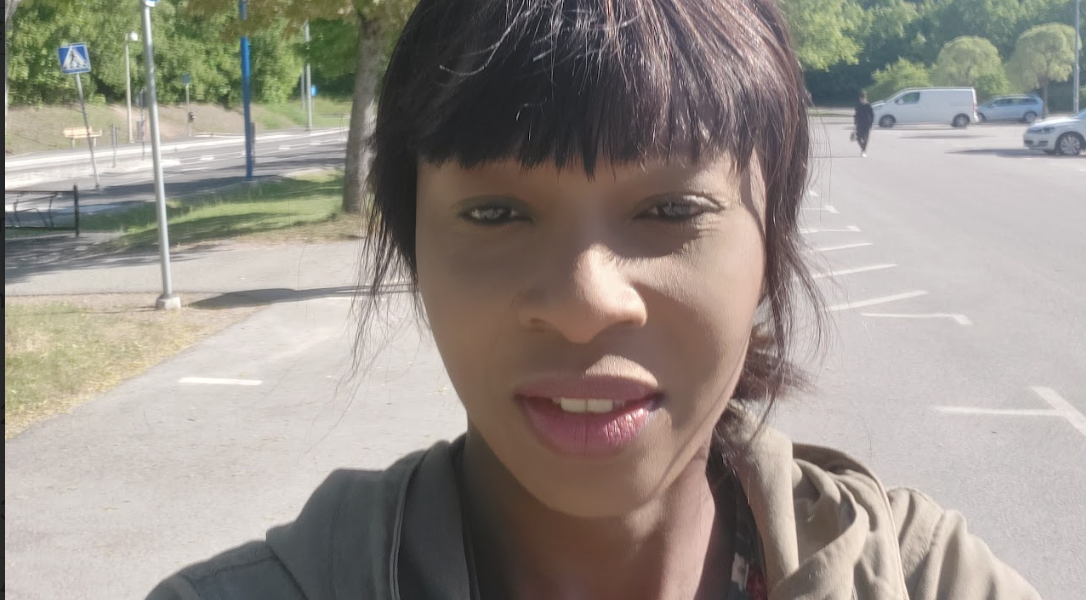
I got off the plane at Arlanda airport in Stockholm. Bags full of heavy jackets. Head full of ideas about what waited for me. I expected the cold. I expected tall blond people with blue eyes, like in the movies and novels. But the quiet? Nobody told me about the quiet.
Where I’m from, life happens out loud. Streets sing. Conductors yelling their rhythms. Market women bargaining sharp and high. Music spilling from every shop. You share life with everyone. Hear your neighbour’s radio through the wall, you know they’re home. Feel the bass in your chest, you know somebody’s celebrating.
Here in the town where I stay? The streets tell a different story.
The first time I walked through town, I thought maybe I’d missed a holiday. The place looked nice. Clean. But quiet. People move like they’re going somewhere important. Headphones on like shields. Two friends meet up and they talk soft. Polite. Even the buses sneak by, an electric hum instead of an engine roar.
That quiet hit me wrong at first. Not the cold outside — something inside. Lonely. I wanted to yell “Habari!” (greetings) at some stranger just to crack the glass. Back home, silence between people means something’s off. A neighbour walks past without greeting and you wonder what you did. Here? Silence means respect. It’s their way of giving space.
I remember waiting for the bus that first week. Five of us at the stop. Everyone kept metres between them. Nobody looked at anybody. Nobody checked a watch or muttered about the bus running late. I felt a pull to say something. Comment on the grey sky. Mention the castle down the street. But something stopped me. An unspoken rule.
Privacy matters here. People don’t want to bother your thoughts. They stay quiet to be kind. For someone from Africa, that’s a whole different world. We talk to be kind. We greet each other because that’s what brotherhood looks like. Undugu (brotherhood) lives in the words we share.
Learning What the Quiet Holds
Weeks passed. I started seeing it differently. The world outside is so quiet you have no choice but to hear yourself. There’s no noise to hide in. You notice your own feet on gravel. Wind moving through trees with no leaves.
But too much quiet carries a risk. It turns into alone, fast. Out here in the diaspora, you learn to dance a new step. Enjoy the peace of a Swedish library. But you hunt for noise too. That’s how I found other Kiswahili speakers, and international friends. I needed that home sound. It fills something back up. I needed a place where laughing loud doesn’t make you check over your shoulder.
Sweden keeps teaching me about neighbours. Back home, a good neighbour checks on you, talks to you. Here, a good neighbour makes sure you’re never bothered. Both come from love. Just different corners of the earth.
I’m still finding my footing. Some days I soak in the peace, read a book in the park, and it feels like the whole place is mine. Other days I’d trade anything for the beautiful chaos of an African market.
The quiet here isn’t hollow. You just have to learn what it holds.
And sometimes I catch myself humming a Kiswahili song walking down the street. Low, under my breath. My way of bringing home noise to these northern streets.
Christine Afandi A.
Christine Afandi A. does a bunch of things. Writes. Tells stories. Connects East Africa and the Nordics.
She’s been at this a while. Wrote for papers back home: The Guardian in Tanzania, Daily Nation, The EastAfrican. Covered politics, culture, development — and how they all tangle together. Had a column in Norway too, at Panorama Nyheter, and became a voice people turned to for African-Nordic stuff.
She also writes books for kids, in Kiswahili: Ziara kwa Nyanya, Mcheza Karata. Schools use them. They help kids read and keep culture close.
Based in Sweden now, with two degrees from Örebro University: an MSc in Informatics and an MA in Global Journalism. When she’s not walking those quiet northern streets or teaching herself German, she’s meditating, writing poems, or working on a YA thriller series set in Scandinavia.
She builds bridges with words. Keeps home’s rhythm alive for people spread all over.
Related reading
Do you have a story or press release for African agriculture? Send it to kilimokwanza.africa@gmail.com or read how to submit.