

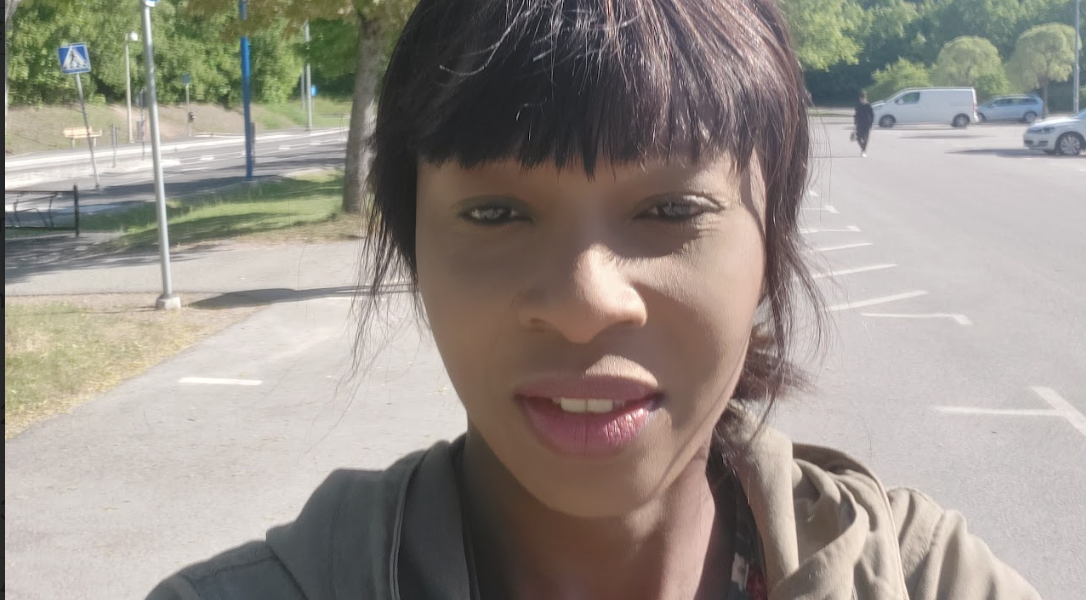
Updated
I walked into a cafe downtown in my first week in Sweden. Ordered a chocolate drink. Reached for my wallet. The guy behind the counter just pointed at a sign: “Vi är kontantfria.” No cash.
I stood there like an idiot. Where I come from, cash is real. You can hold it. Touch it. Hand it over and the deal is done. Here, cash might as well be a ghost. Cash is not king. Try paying with a big note somewhere and people stare at you strangely, like you’re up to something. That was my first taste of the digital wall.
Sweden runs on tech. On paper, it’s great. No long bank queues. No arguments over change at the corner shop. Everything moves. Everything flows. But when you’re new, that wall of screens and apps can feel like it’s keeping people out.
The whole thing runs on an app called BankID. A little app on your phone — but in Sweden, it is you. It’s your identity. No BankID? You barely exist. You can’t pay bills. Can’t see a doctor. Can’t check your grades. In some places, you can’t even log into the library wifi.
Back home, if my electricity bill is wrong, I go to the office. Talk to a person. Tell them what happened. We look at the paper together. There’s a human in the loop. Here? You chat with a robot. Fill out a form online. The screen says no, and that’s it. Nobody to explain things to. The computer doesn’t care about your story.
A Phone for a Wallet
This digital wall changes how people connect. Nobody carries wallets any more. Just phones. They hold them like a lifeline. Lose your phone here and you lose your day. You can’t buy food. Can’t ride the bus. Can’t even prove you’re you.
Coming from Africa, all this efficiency can feel empty. I miss the transaction noise. The cashier asking about the weather. Someone commenting on my groceries. In March, an ICA To Go supermarket opened in my neighbourhood, one of those shops where you scan your own stuff, tap your phone or watch, and walk out. You don’t say one word to another person. It works perfectly. But is that how people should live?
I had to learn to climb that wall. It took hours of setting up accounts and figuring things out. I had to accept that my phone is now my wallet, my ID, my bank, my everything. And it feels good when you finally get it, like you’ve touched the future. Sitting on a bench, paying a bill back home with a few taps. Wild. Can I get a round of applause?
But I think about the ones who can’t climb. Old people who miss the old ways. New arrivals who show up with nothing but a cheap phone and hope. We make everything fast, sure. But we leave behind the slow stuff. The human stuff.
Haraka haraka haina baraka. Hurry, hurry has no blessing.
There’s a Kiswahili saying back home: “Haraka haraka haina baraka.” Loosely translated: hurry, hurry has no blessing. Sweden runs on hurry — fast and smooth, blessed with convenience. But I’m missing something. That shared moment. That pause.
I go to many other shops now. I use my card like everyone else. I’m in the system. But I make sure I look at the person. I say hej (“hi”) out loud. I say tack (“thank you”) like I mean it. I’m trying to punch little holes in that wall, to remind us both there are people here. Not just screens.
Sweden showed me tech can make life easy. But it can’t make life full. That part’s still on us.
Christine Afandi A.
Christine Afandi A. does a bunch of things. Writes. Tells stories. Connects East Africa and the Nordics.
She’s been at this a while. Wrote for papers back home: The Guardian in Tanzania, Daily Nation, The EastAfrican. Covered politics, culture, development — and how they all tangle together. Had a column in Norway too, at Panorama Nyheter, and became a voice people turned to for African-Nordic stuff.
She also writes books for kids, in Kiswahili: Ziara kwa Nyanya, Mcheza Karata. Schools use them. They help kids read and keep culture close.
Based in Sweden now, with two degrees from Örebro University: an MSc in Informatics and an MA in Global Journalism. When she’s not walking those quiet northern streets or teaching herself German, she’s meditating, writing poems, or working on a YA thriller series set in Scandinavia.
She builds bridges with words. Keeps home’s rhythm alive for people spread all over.
Related reading
Do you have a story or press release for African agriculture? Send it to kilimokwanza.africa@gmail.com or read how to submit.