

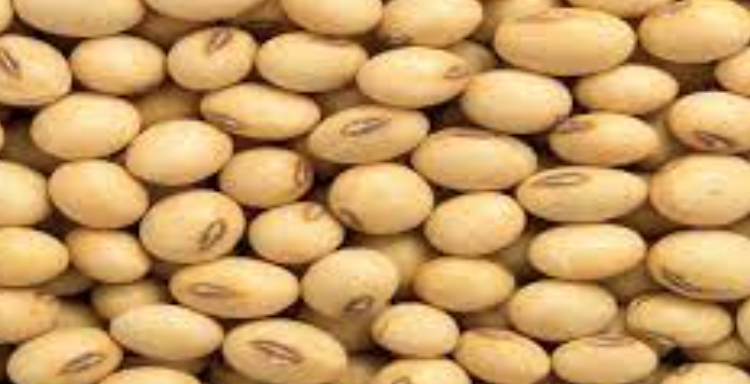
SONGEA, RUVUMA – The Ruvuma Regional Commissioner’s office has unveiled a comprehensive strategic plan to elevate soybeans into a premier commercial and food security crop. In an official directive issued on February 23, 2026, the government outlined a transition toward formalized marketing systems designed to protect farmers from price fluctuations and middle-man exploitation.
The directive, signed by Joel Mbewa on behalf of the Regional Administrative Secretary (RAS), follows a high-level strategic meeting held at the Songea Club on December 23, 2025. The meeting brought together top regional leadership, district executive directors, and agricultural experts from across the region.
A Two-Pronged Market Strategy
To ensure farmers have a guaranteed market and fair prices, the Ruvuma regional government has mandated the immediate implementation of two primary marketing systems:
- Contract Farming System: This will be implemented under strict government guidelines and coordinated Cereals and Other Produce Regulatory Authority (COPRA).. This system aims to safeguard the interests of farmers, buyers, and local government authorities by establishing pre-agreed terms before the harvest.
- Warehouse Receipt System (WRS): This will serve as the official marketing channel to ensure competitive pricing. Through this system, farmers can use their stored crops as collateral to access financial services and loans from banking institutions, providing much-needed liquidity during the farming cycle.
The Seven Key Resolutions for Soybean Development
The document outlines seven specific “Resolutions of the Strategic Meeting” that all district councils (Songea, Nyasa, Mbinga, Namtumbo, Madaba, and Tunduru) must integrate into their 2026 action plans:
- Integration into Planning: Soybean development must be a formal part of every District Council’s budget and strategic development agenda.
- Nutrition and Education: District Directors are tasked with educating students, parents, and the general community on the nutritional importance of soybeans to combat malnutrition.
- School Farming Initiatives: The government, in collaboration with MCODE and COPRA, will provide subsidized soybean seeds to schools to establish school farms, promoting both practical agricultural education and better school meals.
- Stakeholder Forum: The establishment of a Soybean Commodity Compact—a platform involving the Region, AGCOT, PASS Trust, and MCODE—to discuss opportunities in machinery, inputs, and markets.
- Technical Support: Emphasis will be placed on soil testing services and the modernization of farming through increased use of machinery for cultivation and processing.
- Market Regulation: COPRA is officially designated to oversee all soybean purchase contracts and the Warehouse Receipt System to ensure transparency and prevent illegal trading.
Empowering the Local Economy
The directive emphasizes that these measures are not merely agricultural suggestions but administrative orders. District Agricultural, Livestock, and Fisheries Officers (DALFOs) are instructed to work closely with COPRA and other stakeholders to ensure the value chain is efficient.
By shifting toward a more industrial approach—focusing on processing and value addition—Ruvuma aims to position itself as a hub for soybean production in Tanzania, tapping into the growing demand for livestock feed and high-protein human food products.
📋 Stakeholder Responsibility Matrix
The success of the Ruvuma soybean initiative relies on a coordinated “Commodity Compact” between government bodies, NGOs, and the private sector.
| Stakeholder | Key Responsibilities & Mandate |
| Regional Secretariat (Mkoa) | • Overall coordination and policy oversight. • Integration of the soybean strategy into the 5-year Regional Development Plan. • Facilitating partnerships with international and national donors. |
| District Councils (Halmashauri) | • Extension Services: Mobilizing farmers through Ward and Village Agricultural Officers. • Education: Implementing nutrition programs in schools and communities. • Subsidies: Managing the distribution of subsidized seeds for school farms. • Budgeting: Allocating local funds to support soybean processing small-industries. |
The Cereals and Other Produce Regulatory Authority (COPRA). | • Market Regulation: Managing and auditing all soybean purchase contracts. • Warehouse System: Overseeing the Warehouse Receipt System (WRS) to ensure farmers receive fair market value. • Quality Control: Ensuring harvested soybeans meet regional and international standards. |
| MCODE | • Community Development: Spearheading the “School Farm” project to introduce agricultural skills to youth. • Resource Mobilization: Providing technical expertise in community-led soybean cultivation. |
| AGCOT & PASS Trust | • Financing: Providing credit guarantees to help farmers and processors access bank loans. • Mechanization: Facilitating access to tractors and processing machinery to improve the value chain. |
🚀 The Path Forward: Key Implementation Milestones
According to the directive, the following steps are now mandatory for all local government authorities in Ruvuma:
- Immediate Integration: All 2026 District Agricultural Development Plans (DADPs) must include a specific section on soybean value chain enhancement.
- Soil Mapping: Councils must initiate soil testing campaigns to identify the most suitable zones for the recommended high-yield soybean varieties (such as Uyole Soya-1 or SC Signal).
- School Engagement: By the next planting season, designated schools must have received ruzuku (subsidized) seeds to begin their pilot farms.
- Contract Audits: All buyers wishing to purchase soybeans in Ruvuma must now register their contracts with COPRA to prevent “side-marketing” and protect farmer income.
💡 Why This Matters
The document highlights that current yields in Ruvuma are significantly below potential. By moving from subsistence to contracted commercial farming, the region expects to increase farmer income by at least 40% and reduce dependency on imported protein for animal feed.
“The goal is to transform soybeans from a minor crop into a strategic pillar of Ruvuma’s economy, ensuring food security and industrial growth.” — Summary of the Regional Directive, Feb 2026.