

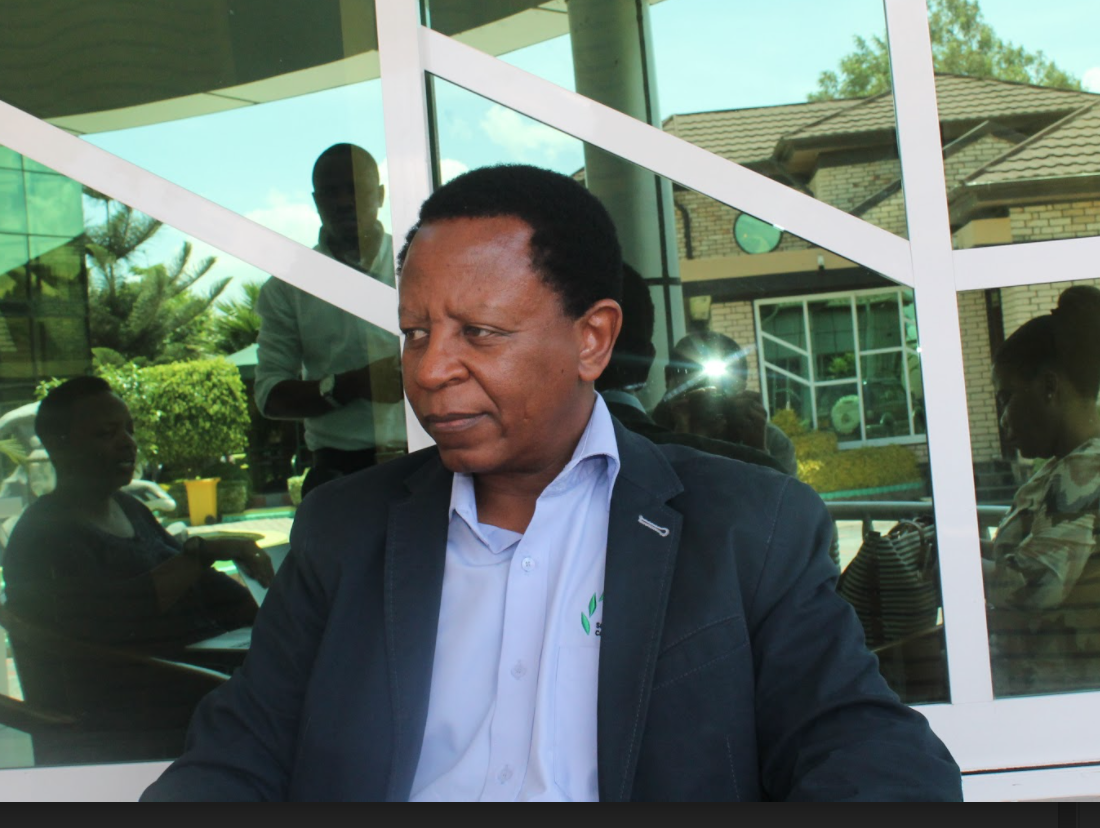
AGCOT Centre Chief Executive Officer, Mr. Geoffrey Kirenga, has called for greater clarity in how startups and Small and Medium Enterprises (SMEs) are understood and supported, arguing that the distinction is critical for effective youth entrepreneurship programmes, smarter investment decisions, and sound public policy.
Reflecting on enterprise development, Mr. Kirenga notes that startups and SMEs are often treated as one and the same, yet they represent fundamentally different approaches to building businesses. SMEs are typically established enterprises focused on steady operations, early profitability, and long-term stability. Startups, by contrast, are young ventures built around innovation and scalability, often seeking to disrupt existing markets and grow rapidly.
Mr. Kirenga emphasizes that both models are vital to the economy. They generally begin small, operate with limited staff and resources, and contribute significantly to job creation and economic growth. Both also face common challenges, including access to finance, intense market competition, and regulatory compliance. In their early stages, some startups may even qualify as SMEs based on employee numbers or revenue levels.
However, the distinction becomes clearer when growth strategy and risk are considered. Startups prioritise rapid scaling and market capture, frequently accepting early losses in pursuit of long-term dominance. They often rely on venture capital, angel investors, or other high-risk financing, and operate with flexible, experimental business models. SMEs, on the other hand, focus on sustainable, incremental growth, strong cash flow, and profitability from the outset, typically financed through bank loans, personal savings, or reinvested earnings.
Innovation and risk appetite further separate the two. Startups tend to embrace high levels of innovation—often technology-driven—and accept significant uncertainty, reflected in their higher failure rates. SMEs are generally more risk-averse, concentrating on improving existing products and services within proven markets, a strategy that enhances resilience but limits disruptive potential.
According to Mr. Kirenga, end goals also differ markedly. Startups often aim for acquisition, public listing, or rapid scale to deliver high returns for investors. SMEs measure success through longevity, consistent revenue, family succession, and tangible impact within their communities.
As governments and development partners intensify efforts to support youth-led enterprises, Mr. Kirenga stresses that understanding these differences is not merely academic, but practical and urgent. Clear distinctions between startups and SMEs are essential for designing effective policies, financing instruments, and support programmes that match ambition with the right enterprise pathway.
“The real question,” Mr. Kirenga concludes, “is whether an entrepreneur is pursuing scalability or sustainability.” Answering that question, he argues, is central to building informed policy positions and meaningful support systems for youth-driven enterprise development.
Startups and Small and Medium Enterprises
Small and Medium Enterprises (SMEs) and startups are both integral to the business ecosystem, but they represent distinct stages and approaches to entrepreneurship. SMEs are typically established businesses focused on steady operations, while startups are nascent ventures emphasising innovation and scalability. Understanding their differences can help entrepreneurs choose the right path based on goals like growth potential or stability.
Similarities
- Size and Structure: Both often start small, with limited employees (e.g., under 250 employees for SMEs in many definitions) and resources, and can be entrepreneurial in nature. A startup in its early phase may even qualify as an SME based on revenue or staff count.
- Economic Role: They contribute to job creation, innovation, and economic growth, often operating in competitive markets and relying on founders’ vision.
- Challenges: Both face hurdles like funding access, market competition, and regulatory compliance, though the intensity varies.
Key Differences
The core distinctions lie in mindset, operations, and objectives:
| Aspect | Startups | SMEs |
|---|---|---|
| Definition & Stage | New ventures (often under 5–10 years old) built around innovative ideas, products, or services, aiming to disrupt markets. | Established small (up to 50 employees) or medium (up to 250) businesses focused on traditional or refined models, not necessarily innovative. |
| Growth Focus | Prioritise rapid scaling, high growth, and market dominance, often accepting losses initially to capture market share. | Emphasise sustainable, incremental growth and profitability from the outset, with a focus on long-term stability rather than explosive expansion. |
| Innovation & Risk | High innovation, often tech-driven or novel solutions, with elevated risk (e.g., 90% failure rate) due to unproven models and uncertainty. | Lower innovation, improving existing offerings; more risk-averse, structured operations reduce failure chances but limit disruptive potential. |
| Funding & Operations | Rely on venture capital, angels, or crowdfunding; operations are agile, experimental, and may pivot frequently. | Use bank loans, personal savings, or profits; operations are efficient, with established processes and a focus on cash flow. |
| Exit Strategy & Goals | Often aim for acquisition, IPO, or unicorn status to deliver high returns for investors. | Seek longevity, family succession, or modest sales; success is measured by consistent revenue and community impact. |
Conclusion
In summary, startups thrive on disruption and speed, ideal for ambitious innovators willing to embrace risk, whereas SMEs offer reliability and endurance, suiting those prioritising steady income. The choice depends on your vision.
Are you for scalability OR sustainability?