35 Grams: Tanzania’s Fruit Problem in a Single Number
By Kilimokwanza Thirty-five grams. That is roughly a quarter of a small mango. Half an orange. Two modest slices of papaya. It is the…

African Agriculture and Food Systems
By Kilimokwanza Thirty-five grams. That is roughly a quarter of a small mango. Half an orange. Two modest slices of papaya. It is the…
There is a story we tell ourselves about hunger and body weight in Africa, and it goes roughly like this: poverty causes undernutrition, and…
Seven research briefs from the CGIAR Science Program on Better Diets and Nutrition paint a detailed and troubling picture: nearly all women surveyed consume…
By Kilimokwanza Mama Amina wakes before dawn to prepare breakfast for her family before the long walk to the shamba. She has never felt…
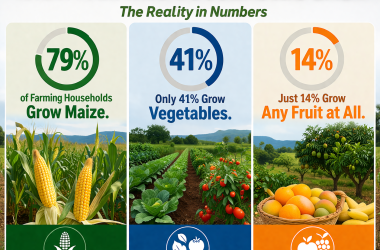
By Kilimokwanza There is a convenient assumption buried in conversations about vegetable production and nutrition in Africa: that more vegetables, grown by more farmers,…
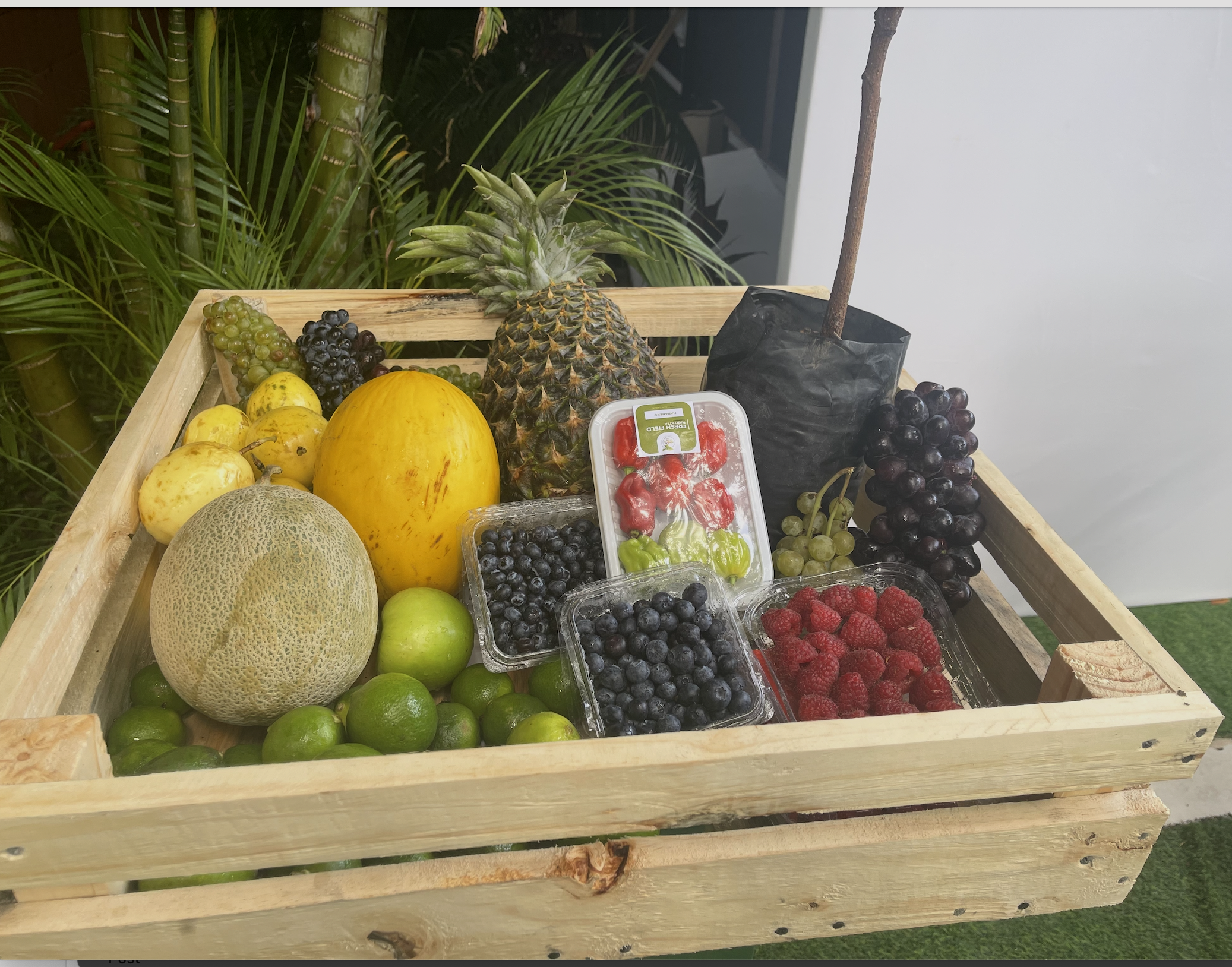
By Kilimokwanza If Tanzania’s vegetable farming is dominated by a small number of crops, its fruit farming is dominated by a single one. The…
By Kilimokwanza Arusha and Kilimanjaro sit beside each other on the map, share a climate zone shaped by Mount Kilimanjaro, and are often grouped…
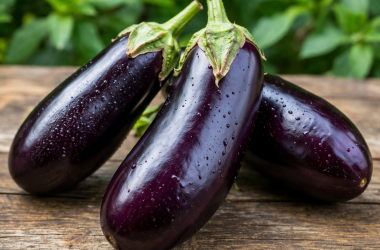
By Kilimokwanza Walk into a kitchen in Arusha or Kilimanjaro and you are likely to encounter African eggplant. Known locally as nyanya chungu, or…
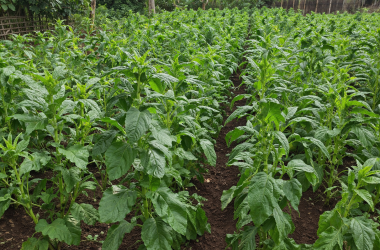
By Kilimokwanza Amaranth, known in Kiswahili as mchicha, is one of the most nutritionally dense leafy vegetables grown in East Africa. Rich in iron,…
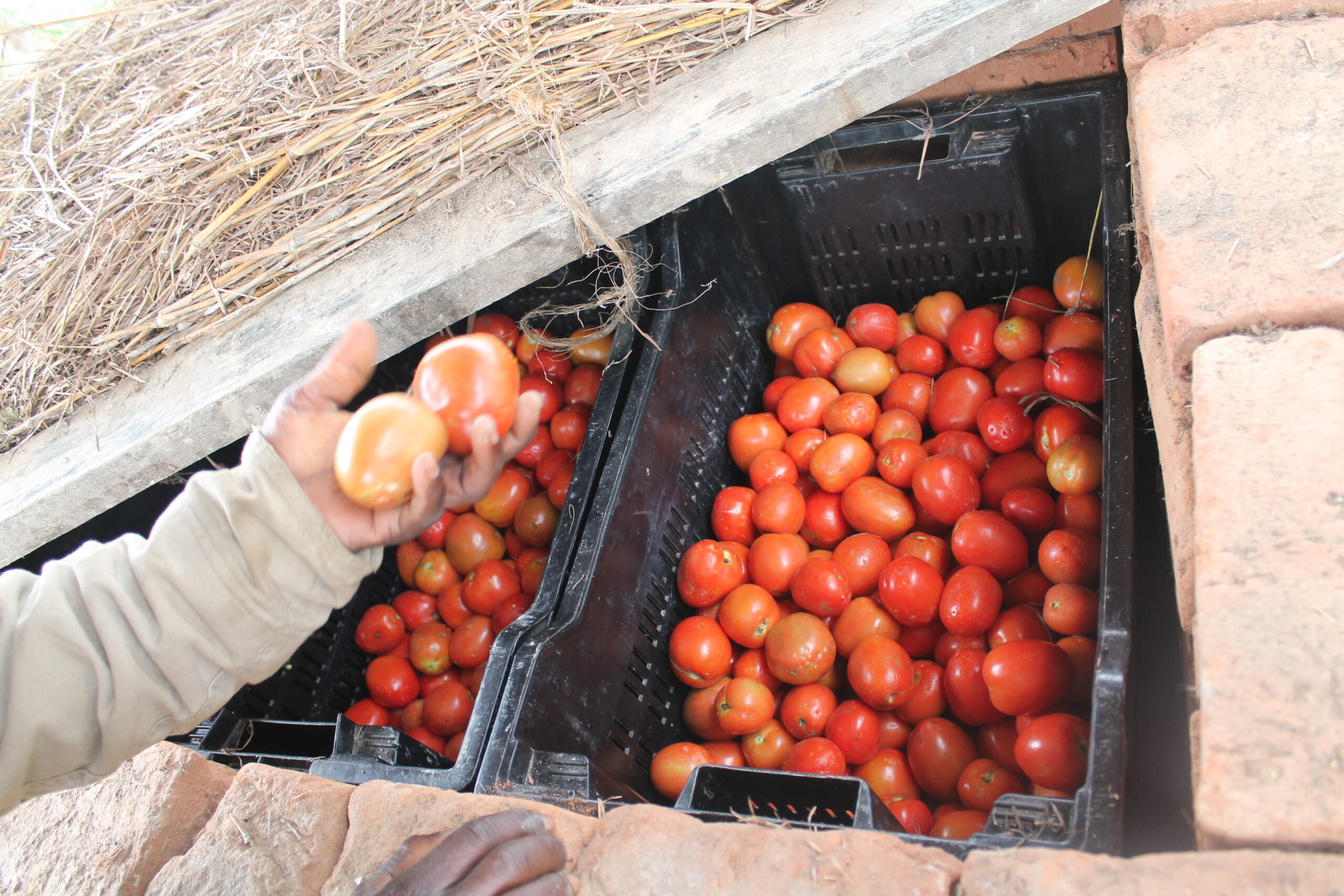
By Kilimokwanza On a typical vegetable farm in Arusha or Kilimanjaro, tomatoes occupy a special place. They are grown on nearly half the plot…
By Kilimokwanza Correspondent The question of why so few Tanzanians eat enough fruit and vegetables is often framed as a market problem, a behaviour…
A landmark CGIAR evaluation published in July 2025, covering 2,611 households across 33 villages in five districts, has produced the most granular picture yet…
2026 · January – March · Ten Stories from Tanzania’s Agricultural Corridors Each story follows the Change Template: WHO describes the person or enterprise…
From 200 to 100,000 Farmers — Raha Vegetable Farm’s Unstoppable Rise | Kilimo Kwanza Kilimo Kwanza Tanzania’s Agricultural News Platform Agribusiness Agribusiness Wednesday, 18…
At the Njombe Regional Secretariat, 9 March 2026. AGCOT Board Chairman Dr Ally H. Laay and Board Member Laurean R. Bwanakunu join Regional Commissioner…
When the Soil Speaks – Kilimokwanza.org AGCOT Centre · From the Field · Feature By Kilimokwanza Correspondent · Tomoni Farm, Kibiti · 28 February…
🌿 Kilimo Kwanza — Tanzania’s Agricultural Voice Field Report Home › Horticulture › Tanzania’s Mango Moment SFO On-Farm Seminar · Tomoni Farm, Kibiti · …
Kilimokwanza.org 2026- R2 1. Introduction: The Global and Regional Imperative The final decade of the 20th century marked a pivotal transition in the global…
The Revolution That Charges by the Hop: Why Kenya’s Digital Money is More Expensive Than the Cash It Was Meant to Replace By Anthony…
Kilimokwanza.org Paper No. 1 – January 2026 1. Macro-Economic Context and Sector Performance 1.1 Introduction: The Dual-Economy Transition The agricultural economy of Zanzibar is…
At the IGNITE 2026 National Youth Agricultural Opportunity Dialogue, one message resonated powerfully: agriculture is no longer a sector of survival—it’s a sector of…
In one sweeping decision, an Africa country is tackling toxic agriculture in ways the wealthy world has only talked about. But the real test…
Titled “Mwongozo wa Uendelezaji wa Tasnia ya Parachichi”, this comprehensive roadmap, issued by the Ministry of Agriculture—outlines best practices from farm to export, defines…
Dar es Salaam — Strategic investment in market promotion is delivering tangible gains for Tanzania’s horticulture sector, boosting exports, job creation, and global visibility,…