Tanzania’s Second Harvest: Turning Crop Waste into Fertiliser, Feed, Fuel and Carbon Income
Rice husks, maize cobs, cotton stalks and coffee pulp have long been burned or left to rot. Researchers, regulators and entrepreneurs now see them…
African Agriculture and Food Systems
Rice husks, maize cobs, cotton stalks and coffee pulp have long been burned or left to rot. Researchers, regulators and entrepreneurs now see them…
The ball is stitched in Pakistan, but its heartbeat is a tree.…
Ahead of the 10th Africa Agri Expo in Dar es Salaam, AGCOT chief Geoffrey Kirenga argues that Tanzania’s drive for 10% annual agricultural growth…
Two national budget speeches for 2026/27 tell two stories about one small, stubborn flower. The Ministry of Industry and Trade counts pyrethrum among the…
For decades, agricultural extension in Tanzania has been distributed across district councils, commodity boards, NGOs and private providers. NAESA pulls them together. The launch…
222,014 tons of cotton produced in 2025/26. The target was 400,000. The gap is real — and the recovery plan is concrete: a Simiyu…
Five years into President Samia Suluhu Hassan’s administration, Tanzania’s agriculture sector tells a story almost entirely in numbers — and the numbers are unusually…
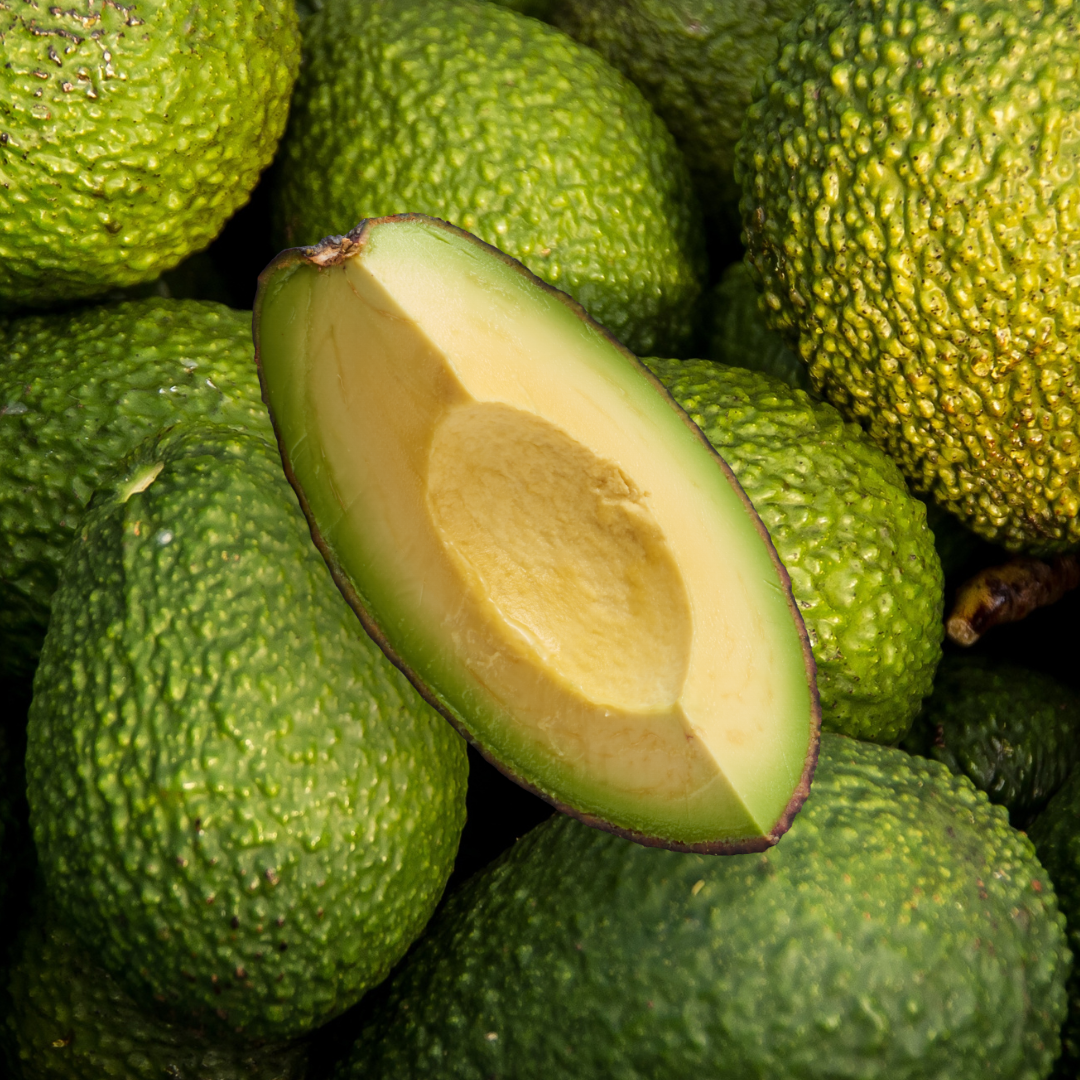
From cotton to cardamom, from sunflower to cocoa, from apples to avocado — the Ministry of Agriculture’s 2026/27 budget speech is, on close reading,…
Tanzania’s commodity boards have hired 1,434 young agricultural graduates as field extension officers in a single year. It is the most concrete youth-employment data…
KILIMO KINABENKIKA: How Tanzania’s Agricultural Development Bank Rewrote the Rules of Rural Finance | Kilimo Kwanza Kilimo Kwanza Agriculture · Development · Transformation Special…
Section 1: The Foundations of Competitiveness: Frameworks and Metrics 1.1. Defining the Competitiveness Paradox: From Macro-Trade to Micro-Value Chains The analysis of African agricultural…
Mpeketoni, Lamu County In a quiet corner of Kenya’s coastal region, the seeds of economic transformation are being sown—literally. On April 30, dignitaries, government…
Agriculture is a crucial sector in Tanzania, contributing approximately 30% to the nation’s GDP and 30% of its export earnings1. In 2022, Tanzania held…
Kilimokwanza.org’s analysis provides a comprehensive overview of the economic value of African crops, encompassing both cash and major food crops. It evaluates market value,…
By Esther Mnyika Agriculture employs over 75% of Tanzanians and is the backbone of economic growth and employment generation in the nation. The government,…
[Dodoma, March 23, 2024] – The Minister of Agriculture, Hon. Hussein Bashe, has led an important meeting of cotton industry stakeholders held at Morena…
Dodoma, Tanzania – In an ambitious effort to revitalize the Pyrethrum industry, Tanzania has set its sights on enhancing Pyrethrumon cultivation, a crucial cotton…
Lucas Raphael, Tabora – Milambo Farmers’ Cooperative Union members have passed estimates of revenues and expenditures totalling 2.55 billion shillings, which are expected to…
CISLAC’s POSITION PAPER FOR AGRA’S STRATEGIC FRAMEWORK SESSION SEPTEMBER 2011, ACCRA, GHANA By: Auwal Ibrahim Musa (Rafsanjani) Executive Director, Civil Society Legislative Advocacy Centre…
Changing the Way Cotton is Produced and Marketed in Tanzania A Case Study on Contract Farming COTTON AND TEXTILE DEVELOPMENT PROGRAMME (CTDP) Changing the…
A Case Study on Contract Farming COTTON AND TEXTILE DEVELOPMENT PROGRAMME (CTDP) Changing the Way Cotton is Produced and Marketed in Tanzania A Case…