New ACCA research reveals how technology, geopolitics, and shifting expectations are reshaping professional trajectories across the continent
Nairobi, Kenya – The predictable climb up the corporate ladder—join as a junior accountant, work your way to senior roles, retire as CFO—is becoming a relic of the past. By 2035, the very architecture of professional careers in Africa’s finance sector will look fundamentally different, driven by forces ranging from artificial intelligence to climate imperatives.
A major new study by ACCA (the Association of Chartered Certified Accountants) surveyed over 450 finance professionals across Africa and found that 62% believe flexible, non-linear career paths will replace traditional trajectories within the next decade. Another 28% expect the two models to coexist in an uneasy equilibrium.
The findings, released in the report Career Paths Reimagined, paint a picture of a profession in transformation—one where success will depend less on climbing a predetermined hierarchy and more on cultivating adaptability, specialist expertise, and what ACCA calls “a curious and flexible mindset.”
Technology Takes Center Stage
Perhaps unsurprisingly for a continent experiencing rapid digital transformation, African respondents ranked technology as the single most significant driver reshaping their professional futures. The evolution of artificial intelligence, automation, and data analytics isn’t just changing what finance professionals do—it’s fundamentally altering the skills they need and the career trajectories available to them.
“Emerging technologies dominate future work and how the human augments the machine,” the report notes, highlighting AI’s particular prominence among professional concerns. Some 59% of respondents cited technology evolution, including AI’s impact, as a top concern.
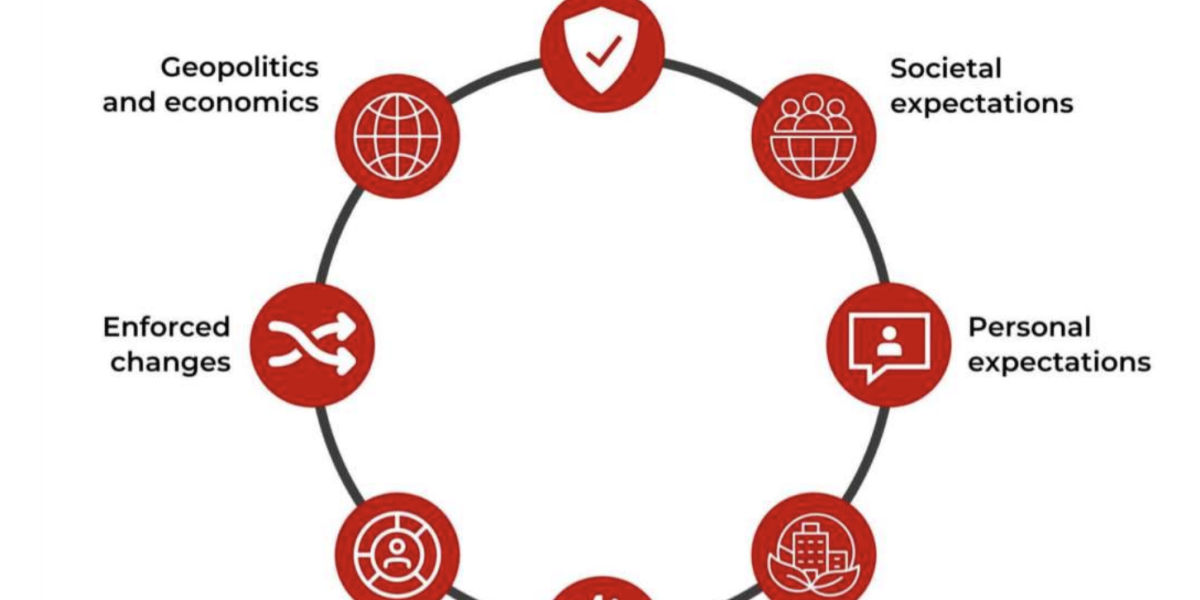
But technology doesn’t operate in isolation. The report identifies eight interconnected drivers of change, with geopolitics and economics ranking second among African professionals’ concerns. The continent’s finance sector is navigating slower global growth, economic fragmentation, and persistent uncertainties that make sideways career moves increasingly important for financial progression.
The New Skills Equation
What does success look like in this reimagined landscape? The research points to a trinity of capabilities: interpersonal skills, technology fluency, and deep technical expertise. But it’s the meta-skills that may matter most—curiosity, flexibility, and the ability to develop specialisms that can evolve with market demands.
“To be successful, finance professionals must be willing to let go of outdated expectations and embrace a future which will see the rise of hyper-personalised careers featuring more flexibility but less predictability,” says Helen Brand, ACCA’s chief executive. “Taking greater ownership of your career and learning is key—continually developing the right skills is essential to navigating a flexible workplace.”
This shift reflects broader changes in organizational structures. Traditional middle-level roles are disappearing, replaced by more specialist positions. Entry points are being redefined by new working models and demands for specific experience. The old assumption that you start at the bottom and work your way up? Increasingly obsolete.
The African Context
For African finance professionals, these global trends intersect with unique regional dynamics. Jamil Ampomah, ACCA’s director for Africa, frames the transformation optimistically: “This report paints a positive picture of a dynamic, adaptive and opportunity-rich environment for career development in Africa—shaped by demographic trends, economic realities, and the rapid evolution of technology and professional expectations.”
That optimism is tempered by recognition of the challenges. Climate change and sustainability factors are creating new roles while potentially disrupting where and how professionals work. Compliance requirements are expanding. The profession itself is shifting from being “guardians of knowledge to interpreters and trusted advisors.”
Meanwhile, demographic changes are lengthening working lives, making multi-generational workplaces the norm and increasing the likelihood of career breaks and what the report calls “micro-retirements”—periodic pauses in professional life that were once seen as career killers but may become standard practice.
Work-Life Recalibration
Significantly, the research identifies growing “disenchantment with the impact of more senior or executive roles on work-life balance” as a factor driving non-linear careers. Economic and geopolitical uncertainty is making immediate financial and lifestyle needs more important in shaping career decisions than long-term progression up a traditional ladder.
This reflects broader societal shifts. Evolving views on work’s role and value, combined with increased emphasis on purpose, flexibility, and work-life balance, are redefining what professionals want from their careers. The old social contract—sacrifice personal time now for security and status later—is being renegotiated.
Implications for Employers
The report’s findings carry clear implications for organizations. Clive Webb, ACCA’s head of business management and the report’s author, emphasizes that “employers need to adapt to and anticipate changes now to maximise talent, match skills demand and provide a sustainable pipeline of talent for a redefined profession.”
This means reviewing traditional career models, creating pathways for specialist roles, and recognizing that the best talent may not follow conventional trajectories. It means investing in continuous learning systems and embracing the reality that top performers might take career breaks or move laterally rather than vertically.
Preparing for Uncertainty
“Curiosity and agility will be key features of a successful career as careers will be flexible and dynamic,” Webb notes. “The career paths of the future hold significant promise for those ready to seize the opportunity.”
That promise comes with a caveat: less predictability. The old certainties—earn this degree, work these years, reach this position—are dissolving. What’s replacing them is something more individualized, more dynamic, and potentially more rewarding for those who can navigate the uncertainty.
For Africa’s finance professionals, the message is clear. The linear career isn’t just changing—it’s over. What comes next will reward those who embrace continuous learning, cultivate diverse skills, and remain flexible enough to pivot as technology, economics, and societal expectations continue their rapid evolution.
The profession is being redefined. The question isn’t whether to adapt, but how quickly.
The full global survey findings and regional data for Africa are available at ACCA’s website: accaglobal.com