

By Kilimokwanza
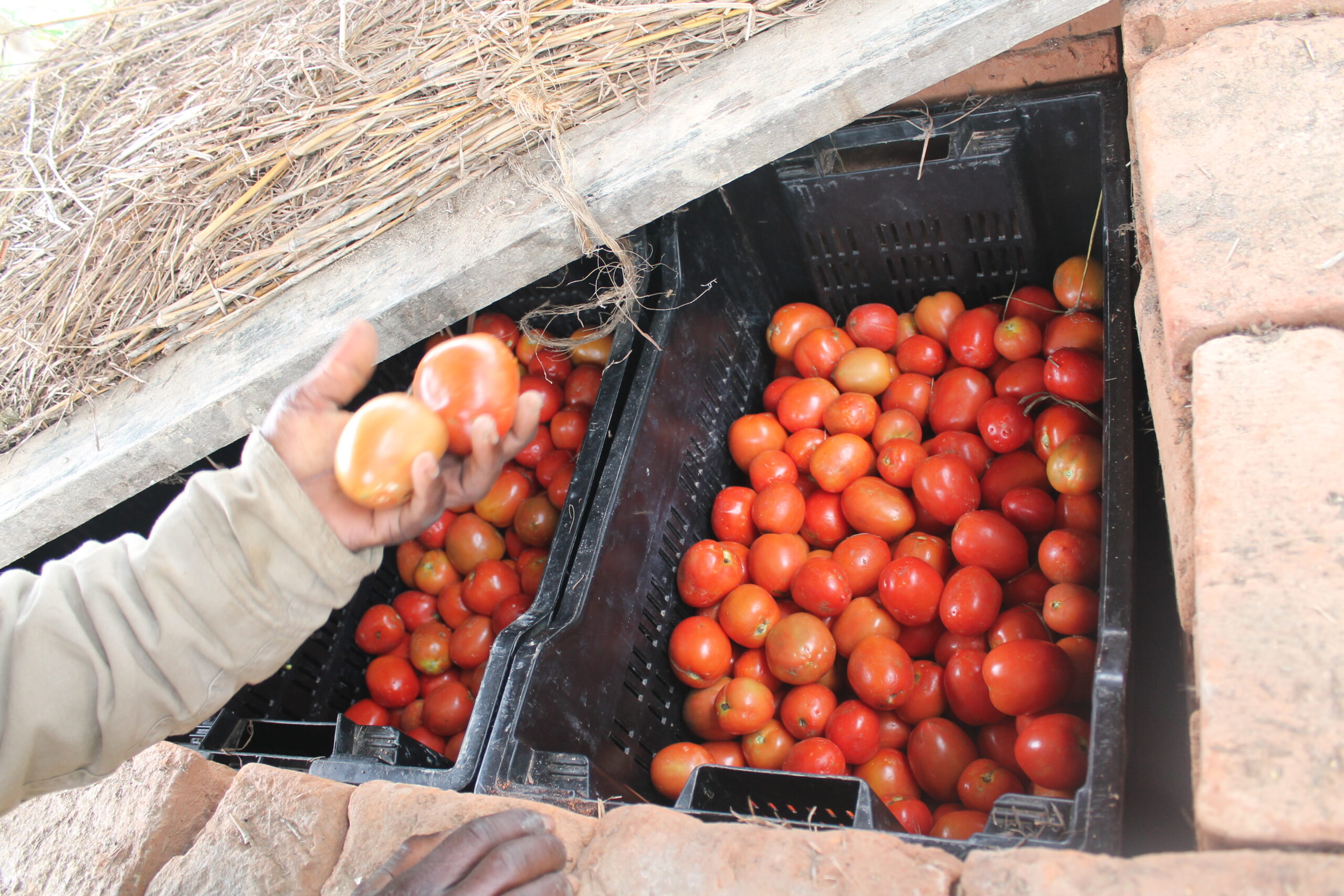
On a typical vegetable farm in Arusha or Kilimanjaro, tomatoes occupy a special place. They are grown on nearly half the plot dedicated to them, almost double the land share given to any other vegetable. They receive fertiliser at a rate of 95% of farming households, more than any other crop in the study. They receive pesticides at a rate of 87%, again the highest of any vegetable surveyed. And when harvest comes, 87% of what is produced leaves the farm and goes to market.
This is the tomato picture that emerges from the July 2025 research brief titled Vegetable, Fruit, and Staple Crop Production and Input Use: Baseline Findings from the FRESH End-to-End Evaluation (Tanzania Evaluation, Research Brief 3, July 2025), which assessed agricultural production across 1,968 farming households in 33 villages across five districts in the Arusha and Kilimanjaro regions. The baseline data was collected between October 2023 and January 2024 by researchers from IFPRI, the World Vegetable Center, the National Institute of Medical Research Mwanza, and Sokoine University of Agriculture.
Tomatoes are not primarily a food crop for the households that grow them. They are a cash crop. And that distinction matters enormously for how we understand the relationship between vegetable production and household nutrition.
The Intensity of Tomato Farming
Among the 815 vegetable-farming households in the sample, only 91 (11%) farmed tomatoes. But those who did farmed intensively. The average tomato farmer dedicated 1.3 acres to the crop, compared to 0.6 acres for African nightshade and 0.8 acres for collard greens. Tomatoes occupied 47% of the total land under cultivation for those growing them, the highest proportion of any vegetable in the study.
The quantities produced were correspondingly large. Average total tomato production per household was 1,770 kilograms, compared to just 51 kilograms for African nightshade and 42 kilograms for collard greens. Tomatoes are grown in a different league from other vegetables in this farming system.
Input use reflects this intensity. Fertiliser use among tomato farmers reached 95%, with 82% using inorganic fertiliser specifically. Pesticide use stood at 87%, with 43% applying chemical pesticides. Among households producing more than 100 kilograms of tomatoes, every single one, 100%, used both fertilisers and pesticides. Among those producing more than 500 kilograms, an average of 95% of production was designated for sale.
The Commercialisation Gap
The commercialisation of tomato farming creates a paradox at the heart of the nutrition agenda in northern Tanzania. Tomatoes are one of the most nutritionally valuable and widely consumed vegetables in the Tanzanian diet. They are rich in vitamins C and A, lycopene, and other micronutrients. Increasing their availability and consumption is a public health priority.
Yet the farming system has organised tomato production around the market, not the household. The farmers who grow the most tomatoes are the ones least likely to keep them for home consumption. The economics are straightforward: tomatoes command a reliable market price, and a household producing 1,000 kilograms of tomatoes can generate meaningful income from selling them. Keeping them at home represents a significant opportunity cost.
This is not a critique of tomato farmers. Their decision to sell is rational and often necessary. But it does mean that expanding tomato production alone will not automatically improve the nutritional status of farming households. Production gains that flow to the market rather than the household plate do not close the dietary gap that the companion nutrition surveys have documented.
The Yield Problem Underneath
There is a further complication. Despite the high input use and commercial orientation of tomato farming in the study area, yields remain substantially below regional benchmarks. The average tomato yield in the Arusha study area was 4.1 tons per hectare, and 3.1 tons per hectare in Kilimanjaro. The regional average for Arusha, derived from the Annual Agricultural Sample Survey 2022-23, was 31.9 tons per hectare. For Kilimanjaro, it was 24.9 tons per hectare.
In other words, tomato farmers in the FRESH study areas are producing, on average, roughly one-eighth of what the rest of their region produces per hectare. This gap likely reflects a combination of factors including plot size, variety selection, pest and disease pressure, water access, and post-planting management practices. It is one of the most consequential findings in the brief, and one that points directly to where the FRESH intervention’s supply-side components need to deliver results.
What This Means for the Intervention
The FRESH end-to-end approach, under which this evaluation is being conducted, combines supply, demand, and food environment interventions. On the supply side, it includes the provision of climate-resilient vegetable cultivars and training on safe and sustainable vegetable production including integrated pest management.
For tomatoes specifically, the intervention has two distinct jobs to do. It needs to raise yields from the current 3 to 4 ton-per-hectare range towards something closer to regional potential, which would increase both farm income and market supply. And it needs to work with the food environment and demand-side interventions to ensure that at least some of that increased supply translates into improved household nutrition, rather than flowing entirely to the market. Neither task is simple, and the baseline data makes clear that both are necessary.