

Kilimokwanza.org Paper No. 1 – January 2026
1. Macro-Economic Context and Sector Performance
1.1 Introduction: The Dual-Economy Transition
The agricultural economy of Zanzibar is currently navigating a profound structural metamorphosis, characterized by a strategic pivoting from traditional terrestrial agrarianism toward a comprehensive “Blue Economy” framework. As of the 2024/2025 fiscal period, the sector remains the socio-economic bedrock of the archipelago, employing approximately 65% of the population and contributing significantly to the Gross Domestic Product (GDP), even as the tourism sector accelerates its dominance.1 This report offers an exhaustive diagnostic of the sector’s performance, governed by the intricate interplay between historic legacy crops—specifically cloves—and the emerging industrialization of mariculture, particularly seaweed.
Zanzibar’s economic narrative in 2025 is one of resilience amidst global volatility. The economy is projected to expand by 6.5% in 2025 and 6.7% in 2026, driven by aggressive public investment in infrastructure and a rebounding service sector.2 However, the agricultural sector’s contribution is nuanced; it serves as both a stabilizer of rural livelihoods and a source of export volatility. The archipelago’s “Spice Island” brand remains a potent economic asset, yet the reality of production is shifting under the weight of climate change, urbanization, and changing global market preferences.
1.2 Inflationary Dynamics and Food Security
The fiscal years 2024 and 2025 have witnessed a stabilization of Zanzibar’s macroeconomic fundamentals, creating a cautious but conducive environment for agricultural planning. Headline inflation has shown a favorable downward trajectory, easing to 4.2% in May 2025, a significant reduction from 5.3% recorded in May 2024.3 This disinflationary trend is largely attributable to the stabilization of food inflation, which dropped to 3.9% in May 2025 from 8.9% the previous year.3
This stabilization is not accidental but the result of deliberate policy interventions and improved supply chain mechanics. The National Food Reserve Agency (NFRA) has played a pivotal role in buffering the economy against external price shocks. By April 2025, the NFRA held 557,228 tonnes of maize, a substantial increase from the 340,102 tonnes held in April 2024.3 The strategic release of 29,834 tonnes of grain into the market proved instrumental in curbing price spikes for staple carbohydrates, thereby shielding vulnerable households from the volatility that characterized the post-pandemic period.3 However, despite these improvements, the economy remains highly sensitive to imported inflation, given that Zanzibar imports over 80% of its food requirements, creating a persistent trade deficit fueled by the dual pressures of urbanization and the hospitality sector’s consumption patterns.4
1.3 The “Blue Economy” Paradigm Shift
A critical thematic evolution in Zanzibar’s economic planning is the reclassification of agricultural activities under the “Blue Economy.” The Zanzibar Blue Economy Policy (2020) and the subsequent implementation strategies aim to leverage the archipelago’s maritime resources for sustainable development. This policy framework integrates fisheries, aquaculture (seaweed), maritime trade, and eco-tourism into a single economic pillar.5
This shift is not merely semantic; it dictates budgetary allocations, development aid flows, and institutional focus. The government envisions the Blue Economy contributing 60% to GDP by 2025.5 Consequently, agricultural discourse in Zanzibar is increasingly bifurcated into “Green” (terrestrial: cloves, spices, tubers) and “Blue” (marine: seaweed, sea cucumber, fisheries) sub-sectors. The Blue Economy is further supported by international financing, such as the World Bank’s recent approval of $227 million in financing, which includes specific allocations for Zanzibar’s marine fisheries and aquaculture management under the TAFSAM project.7 This funding aims to institutionalize sustainable management practices, moving the sector from subsistence extraction to managed, regenerative industries.
1.4 Employment and Demographics
Agriculture remains the primary employer, absorbing a third of the labor force directly, and up to 65% when considering the entire value chain including processing and logistics.1 The demographic profile of the agricultural workforce is heavily gendered, particularly in the Blue Economy sub-sectors. In seaweed farming, women constitute approximately 80-90% of the workforce, making the sector critical for gender-inclusive economic empowerment.6
However, the sector faces a “youth drain,” with the younger demographic increasingly gravitating towards the tourism and service sectors, deterred by the perceived low returns and high labor intensity of traditional farming. To counter this, the Zanzibar Development Plan (ZADEP) has set ambitious targets to increase the proportion of decision-making positions for youth and women to 40% by the 2025/26 fiscal year, attempting to professionalize the sector and make it more attractive to the next generation.5
2. Policy Governance and Institutional Framework
2.1 Zanzibar Development Vision 2050 and Strategic Plans
The overarching roadmap for the sector is the Zanzibar Development Vision 2050 (ZDV50), which aspires to transform Zanzibar into an Upper-Middle Income country. ZDV50 explicitly targets the transformation of agriculture through climate resilience and sustainable production.9 This is operationalized through the Zanzibar Development Plan (ZADEP) 2021-2026, which prioritizes the “Blue Economy for Inclusive Growth”.5
The governance of the sector is bifurcated between the Ministry of Agriculture, Irrigation, Natural Resources, and Livestock (MAINRL), which oversees terrestrial activities, and the Ministry of Blue Economy and Fisheries, which manages marine resources. For the 2025/2026 fiscal year, the Ministry of Agriculture requested a development budget of TZS 92.7 billion. Of this, TZS 58.18 billion is earmarked for direct implementation of 13 strategic development projects.10 The funding structure reveals a reliance on external support, with TZS 33.48 billion sourced from development partners compared to TZS 24.7 billion from the Revolutionary Government of Zanzibar.10
2.2 Budgetary Allocations and Fiscal Priorities
The 2024/2025 budget speeches underscore a government focused on infrastructure rehabilitation and productivity enhancement. The total government budget approved for 2024/25 was TZS 50.29 trillion, with significant portions allocated to development expenditure.11
Within the agricultural portfolio, the priorities are clearly defined:
- Irrigation Infrastructure: Reducing reliance on rain-fed agriculture to mitigate climate risks.
- Research and Development: Enhancing crop varieties and farming techniques.
- Market Access: improving rural roads and storage facilities to reduce post-harvest losses.12
The Ministry of Agriculture has set out eight strategic priorities for the 2025/26 financial year, focusing on strengthening service delivery and raising food crop production.10 This aligns with the broader national strategy to reduce the trade deficit by boosting domestic production of import-substitutable crops like rice and vegetables.
2.3 Land Tenure Systems: The “Three-Acre Plot” Legacy
Land tenure remains the single most complex structural variable in Zanzibar’s agriculture. The system is a hybrid of statutory law, Islamic principles (waqf), and the revolutionary legacy of the 1964 land reforms.
- The 3-Acre Plot System: Following the 1964 Revolution, the government confiscated large Arab-owned plantations and redistributed them to landless indigenous families in standard three-acre parcels (1.2 hectares). While this achieved social equity, it fragmented landholdings, making economies of scale difficult to achieve for modern commercial farming.13 Many of these plots suffer from tenure insecurity and lack formal title deeds, which inhibits farmers from using land as collateral for credit.15 The “Three-Acre Plot” legacy is often cited as a barrier to investment in long-term crops like cloves, as insecurity discourages the replanting of trees that take years to mature.14
- Islamic Land Principles: The tenure system is also influenced by Islamic concepts such as Iqta’ (state land grants for development) and Mewat (dead land reclamation). Historical precedents of land distribution for agricultural use influence contemporary community expectations regarding land access and utilization.16
- Leasehold for Investment: To attract Foreign Direct Investment (FDI), the Zanzibar Investment Promotion Authority (ZIPA) facilitates land access through renewable leaseholds, typically ranging from 33 to 99 years.17 Foreigners cannot own land outright but can acquire rights of occupancy for investment purposes. This creates a dichotomy where high-value export agriculture (e.g., spices, horticulture) is increasingly driven by leasehold investors, while subsistence farming remains trapped in the fragmented customary tenure system.19 ZIPA incentives for strategic investors include tax exemptions on machinery and 100% allowances for research and development, aiming to modernize the sector through external capital.17
2.4 Subsidies and Input Support
The government has maintained a subsidy program for essential inputs, particularly fertilizers, to mitigate global price shocks. Between 2022 and 2025, the total budgeted amount for fertilizer subsidies reached TZS 490 billion.21 However, the system faces severe liquidity challenges, with outstanding arrears of TZS 204 billion owed to suppliers as of 2024. This liquidity crunch threatens the supply chain, creating risks of input shortages during critical planting seasons and potentially forcing suppliers to exit the market.21
3. The Clove Industry: Heritage and Challenges
3.1 Production and Market Status
Cloves (Syzygium aromaticum) remain Zanzibar’s signature cash crop and a primary source of foreign exchange, though their dominance is waning relative to tourism. In May 2025, clove exports generated USD 55.5 million, a decrease of 10.2% year-on-year.3 This decline is attributed to cyclical production lows (clove trees have biennial bearing tendencies) and depressed global prices.
Zanzibar produces two main harvests: the Mwaka crop (July–November) and the Vuli crop (December–March).22 The Mwaka crop is generally heavier and of higher quality than the Vuli crop. The industry is almost entirely smallholder-driven, relying on aging trees that require rehabilitation. The production cycle is heavily influenced by rainfall patterns, and recent climatic variability has disrupted the flowering seasons.
3.2 The Role of ZSTC (Zanzibar State Trading Corporation)
The ZSTC maintains a statutory monopsony on the purchase and export of cloves. This state-controlled model is designed to stabilize prices for farmers and ensure quality control.22 However, the corporation faces efficiency challenges. In a significant strategic pivot in 2024/2025, ZSTC began purchasing cloves from the Tanzanian mainland (specifically Tanga and Morogoro regions) to bolster its volumes and maintain market share, targeting 500 tonnes from these regions.23 This move signifies that Zanzibar’s domestic production is no longer sufficient to meet the ZSTC’s trading targets or global demand, necessitating a regional aggregation strategy.
ZSTC has also closed non-performing assets, such as its retail shop in Dar es Salaam, to streamline operations and focus resources on core procurement and export activities.24 This restructuring reflects a broader effort to modernize the parastatal and make it more responsive to market dynamics.
3.3 Smuggling and Regulatory Enforcement
The price disparity between ZSTC’s fixed producer prices and the open market (often in Kenya) drives significant smuggling activity. In 2024, the Zanzibar Anti-Corruption and Economic Crimes Authority (ZAECA) prosecuted multiple cases of clove smuggling, particularly from Pemba Island, which is the hub of clove production.25 The government has intensified enforcement, viewing smuggling as “economic sabotage.” In August 2024, six individuals were charged in the High Court of Zanzibar for clove smuggling offenses, highlighting the state’s zero-tolerance policy.25
The government attributes the persistence of smuggling to price differentials and delaying payments to farmers. To combat this, President Dr. Samia Suluhu Hassan has emphasized the need for fair pricing and timely payments to farmers to disincentivize illegal trade.26
3.4 Value Addition Initiatives
To move up the value chain, the government inaugurated the “Karafuu Investment House” in Pemba. This facility aims to modernize the trade, improve grading standards, and facilitate value addition (e.g., clove oil extraction) rather than exporting raw buds.26 The facility serves as a one-stop center for clove trading and investment, symbolizing the government’s commitment to revitalizing the sector. Furthermore, ZSTC is exploring new branding strategies to market “Zanzibar Cloves” as a premium geographic indication, distinct from competitors in Madagascar and Indonesia.22
4. The Seaweed Sector: The Blue Economy Engine
4.1 Production Dynamics and Species
Seaweed is the second largest export crop, accounting for nearly 21% of total exports.6 The sector is dominated by two species: Eucheuma spinosum and Kappaphycus alvarezii (locally known as Cottonii).
- Spinosum: Grows easily in shallow water but commands a lower market price (approx. TZS 1,000/kg).28 It constitutes the vast majority (approx. 90-95%) of production.28
- Cottonii: Commands a significantly higher price (approx. TZS 2,100/kg) due to its high carrageenan content but is extremely susceptible to environmental stress.28
Production data for early 2025 indicates a decline in volume. For instance, Q1 2025 seaweed production was valued at TZS 1,769 million, a decrease of 27.1% compared to the quantity produced in the first quarter of 2024.28 This sharp decline underscores the sector’s vulnerability to climatic factors.
4.2 The Climate Conundrum: Shallow vs. Deep Water
The existential threat to the seaweed sector is rising sea surface temperatures (SST), which cause “ice-ice” disease and epiphytic infestations, devastating the high-value Cottonii crop in shallow waters.30 Water temperatures in shallow lagoons have been recorded reaching 38°C, far exceeding the optimal range for Eucheuma species.31
- Technological Adaptation: The primary adaptation strategy is moving farming to deeper waters (2–5 meters depth) using floating lines and tubular nets. This method reduces disease incidence and improves growth rates by exposing the seaweed to cooler, cleaner water currents.8
- Gendered Barriers: This transition presents a profound social challenge. Since 80% of farmers are women, many of whom cannot swim or operate boats, the shift to deep-water farming threatens to displace the very demographic the industry supports. Initiatives like the “Sea PoWer” project are attempting to bridge this gap by introducing tubular nets and empowering women with necessary maritime skills and equipment.8
4.3 Industrialization and Processing
Historically, Zanzibar exported raw dried seaweed, capturing minimal value. A transformative development is the construction of a seaweed processing factory by the Zanzibar Seaweed Company (ZASCO) in Pemba. Valued at TZS 8 billion (approx. USD 3 million), this facility aims to process 30,000 metric tons annually and extract carrageenan domestically.32
This industrialization is supported by strategic partnerships:
- Financial Support: NMB Bank has signed an agreement to provide credit facilities to small-scale farmers and support the ZASCO processing plant, enhancing financial inclusion for the largely female workforce.33
- Private Sector Investment: New entrants like Pemba Blue Ltd. are establishing operations to produce high-value ingredients for the global food and cosmetic industries, operating R&D laboratories to innovate product lines.34
- Global Corporate Interest: The acquisition of ZANEA Seaweed Co. Limited by Tate & Lyle Investments Limited (via its acquisition of CP Kelco ApS) in 2024 signals significant multinational interest in Zanzibar’s seaweed supply chain. This merger places a global ingredients giant directly into the local procurement landscape, potentially altering market dynamics and quality standards.35
5. Horticulture and Spices
5.1 The Spice Basket
Beyond cloves, Zanzibar produces a diversity of spices including cinnamon, black pepper, vanilla, cardamom, and nutmeg. These crops are pivotal for the “spice tour” agrotourism sub-sector, which links agriculture directly to the booming tourism industry.
- Vanilla: An emerging high-value crop. Farmers in Kidichi and other areas are engaging in organic vanilla cultivation, with harvest cycles requiring meticulous hand-pollination.36
- Organic Certification Crisis: A critical bottleneck identified in 2024 is the certification gap. Zanzibar’s organic spice exports to Europe are projected to drop from 6,200 metric tons to 5,500 tons by 2025 due to difficulties in maintaining internationally recognized organic certifications (e.g., Lacon, Ecocert). This contrasts with competitors in Uganda and Kenya who are expanding their certified export volumes.37 The lack of consistent support for smallholders to meet these rigorous standards threatens to lock Zanzibar out of the lucrative premium spice market in the EU.
5.2 Fruit and Vegetable Production
Local horticulture is highly seasonal and insufficient to meet demand.
- Production Trends: In the second quarter of 2024, the area planted with vegetables increased by 12.1%. Tomatoes dominate the vegetable landscape (22.8% of planted area), followed by amaranths and cucumber.29 Conversely, Q2 2025 saw a decrease in planted area by 15.5%, highlighting the volatility of the sector due to weather patterns and input availability.38
- Market Gap: The tourism sector’s demand for high-quality, consistent produce is largely met through imports from mainland Tanzania and overseas. The inability of local farmers to supply the hospitality industry represents a significant lost economic opportunity. High-value crops like sweet pepper and okra have seen acreage increases, indicating a slow response to market signals, but consistency remains a challenge.28
5.3 Nutritional Interventions: The Seed Kit Program
To address malnutrition and improve dietary diversity, the government, in partnership with CIMMYT and the World Vegetable Center, launched the “Accelerated Innovation Delivery Initiative” (AID-I). In 2024, this program distributed “healthy diet seed kits” to over 1,350 vulnerable households.39 These kits contain nutrient-rich vegetable seeds, aiming to boost household-level production of vitamins and minerals. This program represents a targeted intervention to link agriculture directly to public health outcomes, specifically combating “hidden hunger” among women and children.40
6. Food Security and Staple Crops
6.1 Rice: The Strategic Deficit
Rice is the primary staple food in Zanzibar. The archipelago is heavily dependent on imports to feed its population and the floating population of tourists.
- Import Dependency: In 2024, rice imports were valued at USD 62.85 million (180,000 metric tons), making it the single largest food import commodity.4 Major sources of rice include Pakistan, Thailand, and India, exposing Zanzibar to global price fluctuations in the Asian rice market.41
- Domestic Production: Local production is constrained by rain-fed reliance. While national Tanzanian statistics show growth, Zanzibar’s specific output remains far below its consumption needs.
- Irrigation Projects: To address this, the government, with support from the Exim Bank of Korea, is implementing a massive irrigation infrastructure project ($50 million). As of mid-2025, this project is 98% complete. It involves the construction of dams, canals, and land leveling to enable double-cropping of rice.43 This project is the cornerstone of the government’s strategy to reduce the rice import bill.
6.2 Other Staples and Roots
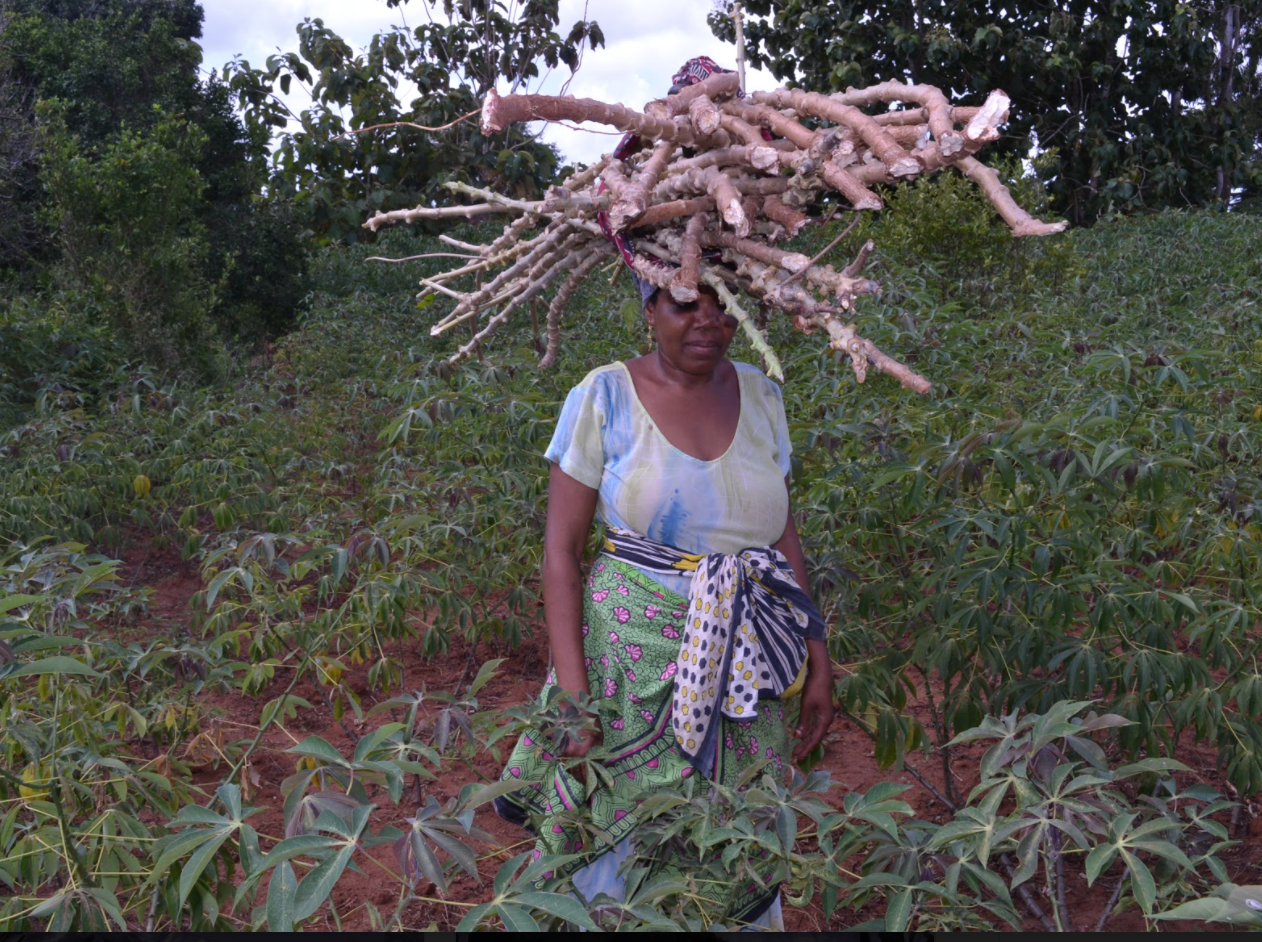
- Cassava and Bananas: These remain vital food security crops for rural households, providing a caloric safety net when rice prices spike. Innovations in banana production focus on tissue culture and intensification to serve local markets.44
- Wheat: Zanzibar produces negligible wheat and relies entirely on imports and processing. The Zanzibar Milling Corporation produced 56,723 tonnes of wheat flour in late 2024/early 2025 using imported grain.45 This processing capacity is crucial for maintaining the supply of bread and wheat products, which are staples for the urban population and tourism sector.
6.3 National Clean Cooking Strategy
Intersecting with agriculture and forestry is the “National Clean Cooking Strategy (2024–2034).” This initiative aims to reduce reliance on firewood and charcoal—key drivers of deforestation in Zanzibar—by promoting clean cooking solutions. By 2034, the goal is for 80% of the population to adopt clean cooking.11 This policy has direct implications for the forestry sub-sector and aims to preserve the remaining tree cover, which is essential for maintaining the microclimates necessary for spice cultivation.
7. Trade Dynamics: Exports and Imports
7.1 Export Portfolio
Zanzibar’s export basket is narrow and vulnerable to external shocks.
- Cloves: Remain the top earner but value dropped 10.2% in May 2025 to USD 55.5 million.3
- Seaweed: Export value increased by 2.1% in May 2025, reaching USD 9.8 million.3 This growth, despite production challenges, suggests better unit prices or value addition.
- Fish & Marine Products: Showed positive growth of 4.3%, signaling the potential of the Blue Economy strategies to generate foreign exchange.3
7.2 Import Reliance
Zanzibar imports over 80% of its food, a statistic that underscores its food security vulnerability.
- Key Imports: Rice, sugar, wheat flour, and poultry are the top agricultural imports.4 The demand for premium poultry and meat from the hotel sector drives significant imports, as the local livestock sector struggles to meet quality standards.
- Value: In 2024, food and beverage imports totaled approximately USD 650 million, a 9.8% increase from the previous year.4 This surge is correlated with the rebound in tourism numbers (736,755 tourists in 2024).4
- Trade Partners: Major sources of imports include India, Brazil, Turkey, Pakistan, and Vietnam.45 This diversified import base helps mitigate risks from any single source, but the reliance on global logistics chains remains a vulnerability.
7.3 Logistics and Infrastructure
The efficiency of agricultural trade is heavily dependent on port and transport infrastructure. The government is investing in upgrading port facilities to handle increased trade volumes. However, logistics costs remain high, estimated at 40% of the cost of fertilizers, which inflates input prices for farmers.21 The “Zanzibar Water Investment Programme” (ZanWIP) is another critical infrastructure component, aiming to secure water supplies for both domestic use and irrigation, directly supporting the agricultural expansion agenda.46
8. Key Agricultural Entities and Stakeholders
8.1 Public Sector Institutions
- Ministry of Agriculture, Irrigation, Natural Resources and Livestock (MAINRL): The primary policy-making body responsible for terrestrial agriculture, extension services, and research.10
- Zanzibar State Trading Corporation (ZSTC): The state monopsony for cloves, now expanding into essential oil distillation and branding. It also acts as a buyer of last resort for other spices to support farmers.22
- Zanzibar Agricultural Research Institute (ZARI): Collaborates on seed systems and crop resilience, partnering with international bodies like WorldVeg.40
- Zanzibar Investment Promotion Authority (ZIPA): Facilitates land leases and investment approvals, acting as the gateway for foreign capital in the sector.17
8.2 Private Sector and Cooperatives
- Zanzibar Seaweed Company (ZASCO): A semi-parastatal driving the industrialization of seaweed. Its processing plant in Pemba is a flagship Blue Economy project.32
- Tate & Lyle / CP Kelco: Through the acquisition of ZANEA, this multinational entity is now a key player in the seaweed supply chain, likely to influence quality standards and procurement practices.35
- 1001 Organic & The Good Spice: Social enterprises linking smallholder spice farmers to premium European markets. They focus on transparency, fair trade, and organic certification, providing a model for high-value niche exports.48
- Pemba Blue Ltd: A private investor focused on high-value seaweed processing and R&D.34
- AMCOS (Agricultural Marketing Co-operative Societies): Grassroots cooperatives that aggregate produce (e.g., spices, vegetables) to gain market power. While some are effective, many face governance and capitalization challenges. The Cooperative Union of Zanzibar (CUZA) acts as the umbrella body.49
9. Environmental Challenges and Climate Resilience
9.1 Saltwater Intrusion and Sea Level Rise
As a small island developing state (SIDS), Zanzibar is on the frontline of climate change. Saltwater intrusion into freshwater aquifers is rendering low-lying rice paddies infertile, particularly in coastal areas. This phenomenon necessitates the construction of protective dykes and the adoption of saline-tolerant crop varieties.50 Reports from 2024 indicate that rising sea levels have forced the relocation of some coastal agricultural communities, creating a class of “climate migrants” within the archipelago.51
9.2 Ocean Warming and “Ice-Ice” Disease
The rise in Sea Surface Temperature (SST) is the primary driver of the decline in high-value seaweed production. The “ice-ice” disease, caused by bacterial infection in stressed seaweed, thrives in warmer waters. This environmental pressure is the direct catalyst for the industry’s forced migration to deeper waters.30
9.3 Innovative Solutions: The Kilimanjaro Concept
To combat saltwater intrusion, researchers and policymakers are exploring the “Kilimanjaro Concept,” which involves rain harvesting and aquifer recharge techniques to reverse the salinization of groundwater.53 This approach represents a shift towards integrated water resource management (IWRM) as a fundamental component of agricultural resilience.
10. Recent Developments (2024-2025)
10.1 Strategic Investments
- World Bank Support: In June 2025, the World Bank approved $227 million in financing for Tanzania, with specific components for Zanzibar’s marine fisheries and aquaculture (TAFSAM project) to enhance Blue Economy management.7
- Seed Distribution: The “Accelerated Innovation Delivery Initiative” (AID-I) distributed health diet seed kits (vegetables) to over 1,350 households in 2024 to combat malnutrition.39
- Mainland Integration: The historic decision by ZSTC to source cloves from the Tanzanian mainland marks a shift toward regional integration to secure supply chains.24
10.2 Infrastructure Milestones
- Irrigation Completion: The near-completion (98%) of the $50 million Korean-funded irrigation infrastructure ensures that the 2025/2026 planting seasons may see the first major harvest from irrigated rice schemes.43
- Blue Finance: The launch of “Blue Finance” impact loans in 2024, supported by BNP Paribas, aims to fund reef-positive businesses in Pemba, linking conservation finance directly to economic activities like aquaculture.54
11. Conclusion and Outlook
The agricultural state of Zanzibar in 2024/2025 is defined by a dichotomy of vulnerability and transformation. The vulnerability stems from an entrenched reliance on rain-fed staples, an aging clove tree stock, and a seaweed sector besieged by climate change. The transformation is evident in the aggressive pivot to the Blue Economy, the industrialization of marine products (carrageenan processing), and the modernization of irrigation infrastructure.
Key Trends to Watch:
- The “Blue” Overtaking the “Green”: Marine-based agriculture is receiving the lion’s share of policy focus and investment, potentially sidelining traditional terrestrial farmers if transition support is not robust.
- The High-Value Trap: While the shift to high-value crops (vanilla, deep-water seaweed) is strategically sound, it raises barriers to entry (capital for boats, certification costs) that may exclude the poorest smallholders unless cooperatives (AMCOS) are strengthened.
- Tourism Integration: The persistent high food import bill indicates a failure to link local farmers with the hospitality value chain. Future growth depends on “import substitution” by ensuring local farmers can meet the quality and consistency standards of 5-star hotels.
In summary, Zanzibar is attempting to modernize its agrarian economy while simultaneously battling the existential threat of climate change. The success of this transition will depend on the effective execution of the Blue Economy strategy and the resolution of land tenure insecurities that currently inhibit private sector investment.
Table 1: Comparative Agricultural Export Performance (May 2025)
| Commodity | Export Value (USD Millions) | Year-on-Year Change (%) | Primary Driver |
| Cloves | 55.5 | -10.2% | Cyclical production low; depressed global prices |
| Seaweeds | 9.8 | +2.1% | Increased demand; gradual shift to value addition |
| Fish & Marine | 4.1 | +4.3% | Blue Economy investments; improved catch methods |
| Manufactured Goods | 3.7 | +8.6% | Growth in agro-processing and light industry |
Source: Derived from 3
Table 2: Top Agricultural Imports & Food Security Risks (2024)
| Commodity | Import Value (USD Millions) | Import Volume (MT) | Strategic Risk Factor |
| Rice | 62.85 | 180,000 | High dependency on Pakistan/India; price volatility |
| Wheat Flour | High (Aggregated) | High | Zero domestic production; full exposure to global grain markets |
| Poultry | 2.21 | N/A | Competition with local nascent poultry sector |
| Sugar | 2.16 | N/A | Essential commodity; susceptible to supply chain hoarding |
Source: Derived from 4
Reference
- Detailed Industry Report: Agriculture in Tanzania – ICRA, accessed November 24, 2025, https://www.icrallc.com/wp-content/uploads/2024/11/Tanzania-Business-Industry-Overview.pdf
- Economic Report 2025 Tanzania – SECO, accessed November 24, 2025, https://www.seco.admin.ch/dam/seco/de/dokumente/Aussenwirtschaft/Wirtschaftsbeziehungen/L%C3%A4nderinformationen/Mittlerer%20Osten%20und%20Afrika/economic_report_tanzania.pdf.download.pdf/Wirtschaftsbericht%20Tansania%202025.pdf
- Zanzibar’s Economic Performance – May 2025 – TICGL, accessed November 24, 2025, https://ticgl.com/zanzibars-economic-performance-may-2025/
- Report Name:Zanzibar Exporter Guide – USDA Foreign Agricultural Service, accessed November 24, 2025, https://apps.fas.usda.gov/newgainapi/api/Report/DownloadReportByFileName?fileName=Zanzibar%20Exporter%20Guide_Dar%20Es%20Salaam_Tanzania_TZ2025-0006.pdf
- ZANZIBAR DEVELOPMENT PLAN (ZADEP) 2021– 2026 – Goal Tracker Tanzania, accessed November 24, 2025, https://tanzaniagoaltrack.nbs.go.tz/content/platform/tanzania/five-year-plan-zanzibar.pdf
- Realizing the Blue Economy in Zanzibar: Potentials, Opportunities and Challenges – UONGOZI Institute, accessed November 24, 2025, https://www.uongozi.go.tz/newsite/wp-content/uploads/2022/12/Realizing-the-Blue-Economy-in-Zanzibar_WP21_17.pdf
- Tanzania: New Financing to Empower Communities, Improve Conservation, and Generate Economic Opportunities – World Bank, accessed November 24, 2025, https://www.worldbank.org/en/news/press-release/2025/06/11/tanzania-afe-new-financing-to-empower-communities-improve-conservation-and-generate-economic-opportunities
- Sea PoWer: an innovative seaweed farming technology to empower women | PANORAMA, accessed November 24, 2025, https://panorama.solutions/en/solution/sea-power-innovative-seaweed-farming-technology-empower-women
- POLICY AND INSTITUTIONAL REVIEW ZANZIBAR, TANZANIA – BIOFIN, accessed November 24, 2025, https://www.biofin.org/sites/default/files/content/knowledge_products/Biofin%20PIR%20-%20Final.pdf
- Zanzibar tables Sh92.7 billion budget to revive agriculture – The Citizen Tanzania, accessed November 24, 2025, https://www.thecitizen.co.tz/tanzania/zanzibar/zanzibar-tables-sh92-7-billion-budget-to-revive-agriculture-5045590
- BUDGET SPEECH ENGLISH VERSION 12.06.2025 MCHANA, accessed November 24, 2025, https://www.mof.go.tz/uploads/documents/en-1749740886-BUDGET%20SPEECH%20ENGLISH%20VERSION%2012.06.2025%20MCHANA-2u%20(1).pdf
- A Vision for Tanzania’s Agricultural Future: Minister Hussein Mohamed Bashe Presents the 2024/2025 Agricultural Budget – Kilimo Kwanza, accessed November 24, 2025, https://kilimokwanza.org/a-vision-for-tanzanias-agricultural-future-minister-hussein-mohamed-bashe-presents-the-2024-2025-agricultural-budget/
- A thousand and one nights of land tenure, accessed November 24, 2025, http://lib.tkk.fi/Diss/2003/isbn9512264919/article1.pdf
- REVOLUTIONARY GOVERNMENT OF ZANZIBAR – TANZANIA AGRICULTURAL SECTOR POLICY, accessed November 24, 2025, https://faolex.fao.org/docs/pdf/tan175906.pdf
- The Effects Of Climate Change On Land Tenure In Zanzibar Islands, accessed November 24, 2025, https://www.fig.net/resources/proceedings/2016/2016_05_sids/PC02_mohammed__azzan_8455.pdf
- The compatibility of land tenure law in Zanzibar with Islamic principles – SciSpace, accessed November 24, 2025, https://scispace.com/pdf/the-compatibility-of-land-tenure-law-in-zanzibar-with-1qdt55zyp2.pdf
- Zanzibar Investment Guide – Tanzania High Commission Abuja-Nigeria, accessed November 24, 2025, https://www.ng.tzembassy.go.tz/uploads/Investment_Opportunities.pdf
- Renewable Land Leases in Tanzania: A Guide for Savvy Investors – The Property Hub, accessed November 24, 2025, https://www.thepropertyhubtz.com/blog/renewable-land-leases-in-tanzania
- Land Tenure in Zanzibar – How it relates to Small Scale Businesses – Master of Science Thesis, accessed November 24, 2025, https://lup.lub.lu.se/student-papers/record/9137599/file/9138175.pdf
- Buying Property in Zanzibar: 2025 Guide for Foreign Buyers, accessed November 24, 2025, https://www.vela-zanzibar.com/blog/buying-property-in-zanzibar-foreigners-guide
- Tanzania Fertiliser Subsidy Arrears: A Liquidity Crisis Challenging Input Security | AFRIQOM Fertilizer Insight, accessed November 24, 2025, https://www.afriqom.com/insights/delayed-payments-strain-supply-chains-and-threaten-farmer-access
- Zanzibar Cloves – Zanzibar State Trading Corporation – ZSTC, accessed November 24, 2025, https://zstcznz.org/zanzibar-cloves/
- ZSTC targets 500 tonnes of cloves from Tanga, Morogoro for 2024/2025 season, accessed November 24, 2025, https://dailynews.co.tz/zstc-targets-500-tonnes-of-cloves-from-tanga-morogoro-for-2024-2025-season/
- Zanzibar to buy cloves from Tanga, Morogoro – Daily News, accessed November 24, 2025, https://dailynews.co.tz/zanzibar-to-buy-cloves-from-tanga-morogoro/
- Six charged with economic crimes for ‘clove smuggling’ | The Guardian – ipp media, accessed November 24, 2025, https://www.ippmedia.co.tz/the-guardian/news/local-news/read/six-charged-with-economic-crimes-for-clove-smuggling-2024-08-29-234946
- Revitalizing the Clove Industry: President Samia’s Commitment to Zanzibar’s Prosperity, accessed November 24, 2025, https://kilimokwanza.org/revitalizing-the-clove-industry-president-samias-commitment-to-zanzibars-prosperity/
- Clove cultivation emerges as Tanzania’s highly potential export crop | AgriTech Middle East & Africa – Trends in Investments, Innovation & Sustainability in the Agriculture Industry, accessed November 24, 2025, https://www.agritechmea.com/clove-cultivation-emerges-as-tanzanias-highly-potential-export-crop/
- THE AGRICULTURAL STATISTICS RELEASE FIRST QUARTER 2024 – OCGS, accessed November 24, 2025, http://www.ocgs.go.tz/index.php/publication-view/100
- THE AGRICULTURAL STATISTICS RELEASE, SECOND QUARTER 2024 – OCGS, accessed November 24, 2025, http://www.ocgs.go.tz/index.php/publication-view/780
- Full article: A resilience lens to explore seaweed farmers’ responses to the impacts of climate change in Tanzania – Taylor & Francis Online, accessed November 24, 2025, https://www.tandfonline.com/doi/full/10.1080/26388081.2022.2091951
- Tanzania Seaweed Guide: Opportunities for Increased Productivity, Traceability, and Sustainability – Aquaculture Science Hub, accessed November 24, 2025, https://www.aquaculturescience.org/content/dam/tnc/nature/en/documents/aquaculture/TNC_Tanzania_Seaweed_Guide_FINAL.pdf
- Financial lender signs on to seaweed-processing project in Tanzania – SeafoodSource, accessed November 24, 2025, https://www.seafoodsource.com/news/aquaculture/financial-lender-signs-on-to-seaweed-processing-project-in-tanzania
- Seaweed firm unlocks aquaculture potential in Zanzibar | The Fish Site, accessed November 24, 2025, https://thefishsite.com/articles/seaweed-firm-unlocks-aquaculture-potential-in-zanzibar
- Zanzibar Seaweed | IFF – Innovative Finance Foundation, accessed November 24, 2025, https://www.if.foundation/general-6
- notification regarding the intention of tate & lyle investments limited to acquire indirect control of zanea seaweed co. limited, accessed November 24, 2025, https://www.fcc.go.tz/attachments/attachment-1723037422440-427816437PN%20Zanea%20Seaweed%20Co.%20Limited.pdf
- Kidichi Farm – UJAMAA Spice – Single Origin Zanzibar Spices, accessed November 24, 2025, https://www.ujamaaspice.com/meet-our-farmers-zanzibar-ujamaa/kidichi-farm/
- Tanzania Faces Organic Spice Export Crisis as Certification Woes Threaten European Market Access – Kilimo Kwanza, accessed November 24, 2025, https://kilimokwanza.org/tanzania-faces-organic-spice-export-crisis-as-certification-woes-threaten-european-market-access/
- THE AGRICULTURAL STATISTICS RELEASE, SECOND QUARTER 2025 – OCGS, accessed November 24, 2025, http://www.ocgs.go.tz/index.php/publication-view/783
- Scaling up health diet seed kits in Zanzibar – Global Agriculture, accessed November 24, 2025, https://www.global-agriculture.com/ag-tech-research-news/scaling-up-health-diet-seed-kits-in-zanzibar/
- Healthy diet seed kits enhancing food and nutrition security in Zanzibar, accessed November 24, 2025, https://avrdc.org/healthy-diet-seed-kits-enhancing-food-and-nutrition-security-in-zanzibar/
- Tanzania Rice imports by country | 2024 | Data, accessed November 24, 2025, https://wits.worldbank.org/trade/comtrade/en/country/TZA/year/2024/tradeflow/Imports/partner/ALL/product/1006
- Rice in Tanzania Trade | The Observatory of Economic Complexity, accessed November 24, 2025, https://oec.world/en/profile/bilateral-product/rice/reporter/tza
- Zanzibar implements irrigation project with $50 million credit | The Guardian – Ippmedia, accessed November 24, 2025, https://www.ippmedia.com/the-guardian/news/local-news/read/zanzibar-implements-irrigation-project-with-50-million-credit-2025-02-11-180015
- 1 ZANZIBAR AGRICULTURAL TRANSFORMATION FOR SUSTAINABLE DEVELOPMENT, 2010-2020 For Agricultural Productivity, Food Security and S, accessed November 24, 2025, https://www.gafspfund.org/sites/default/files/inline-files/ATI.pdf
- Zanzibar sees 13.3 pct growth in trade value as export, import expand | The Guardian, accessed November 24, 2025, https://www.ippmedia.com/the-guardian/news/local-news/read/zanzibar-sees-133-pct-growth-in-trade-value-as-export-import-expand-2025-05-17-095256
- Zanzibar Water Investment Programme 2022 – 2027, accessed November 24, 2025, https://aipwater.org/wp-content/uploads/2023/08/236_Signed_-Zanzibar-Water-Investment-Programme-Singles-LR.pdf
- Zanzibar Water Investment – Programme 2022 – 2027 – FAOLEX Database | Food and Agriculture Organization of the United Nations, accessed November 24, 2025, https://faolex.fao.org/docs/pdf/taz218175.pdf
- Reshaping the spice trade: From Zanzibar to the Netherlands – Rabobank, accessed November 24, 2025, https://www.rabobank.nl/en/about-us/rabofoundation/project/011504864/reshaping-the-spice-trade-from-zanzibar-to-the-netherlands
- MAPPING: KEY FIGURES NATIONAL REPORT: TANZANIA ICA-EU PARTNERSHIP – Coops4Dev, accessed November 24, 2025, https://coops4dev.coop/sites/default/files/2020-05/Key%20Mapping%20Data%20-%20Tanzania.pdf
- Coastal Community Responses to the Impact of Climate Change in Tanzania—A Case of North “A” District, Zanzibar – Scirp.org., accessed November 24, 2025, https://www.scirp.org/journal/paperinformation?paperid=144486
- Climate change challenges Zanzibar’s blue economy: Experts call for urgent action, accessed November 24, 2025, https://habitatmedia.co.tz/climate-change-challenges-zanzibars-blue-economy-experts-call-for-urgent-action/
- Enhancing Climate Change Resilience of Coastal Communities of Zanzibar, accessed November 24, 2025, https://www.adaptation-fund.org/project/enhancing-climate-change-resilience-of-coastal-communities-of-zanzibar-2/
- ‘Kesho’ Scenario Development for Supporting Water-Energy Food Security under Future Conditions in Zanzibar – MDPI, accessed November 24, 2025, https://www.mdpi.com/2073-445X/13/2/195
- Blue Economy Impact Investments to Boost Marine Conservation in Pemba, Zanzibar | ICRI, accessed November 24, 2025, https://icriforum.org/blue-economy-zanzibar/
- Economic and Commercial – Consulate General of India, Zanzibar, Tanzania, accessed November 24, 2025, https://www.cgizanzibar.gov.in/economic-and-commercial.php