Tanzania Grows More Than Ever. Why Aren’t Farmers Richer?
By Charles Mwangi Tanzania achieved food self-sufficiency in 2025. It is a milestone worth celebrating — the country now produces enough food to feed…

African Agriculture and Food Systems
By Charles Mwangi Tanzania achieved food self-sufficiency in 2025. It is a milestone worth celebrating — the country now produces enough food to feed…
By Kilimokwanza Somewhere in a research station in Tanzania, a plant breeder is looking at rows of amaranth. Each row is a slightly different…
A new partnership between an aviation company and a crop protection body signals Kenya’s serious pivot toward precision farming — and raises the question…
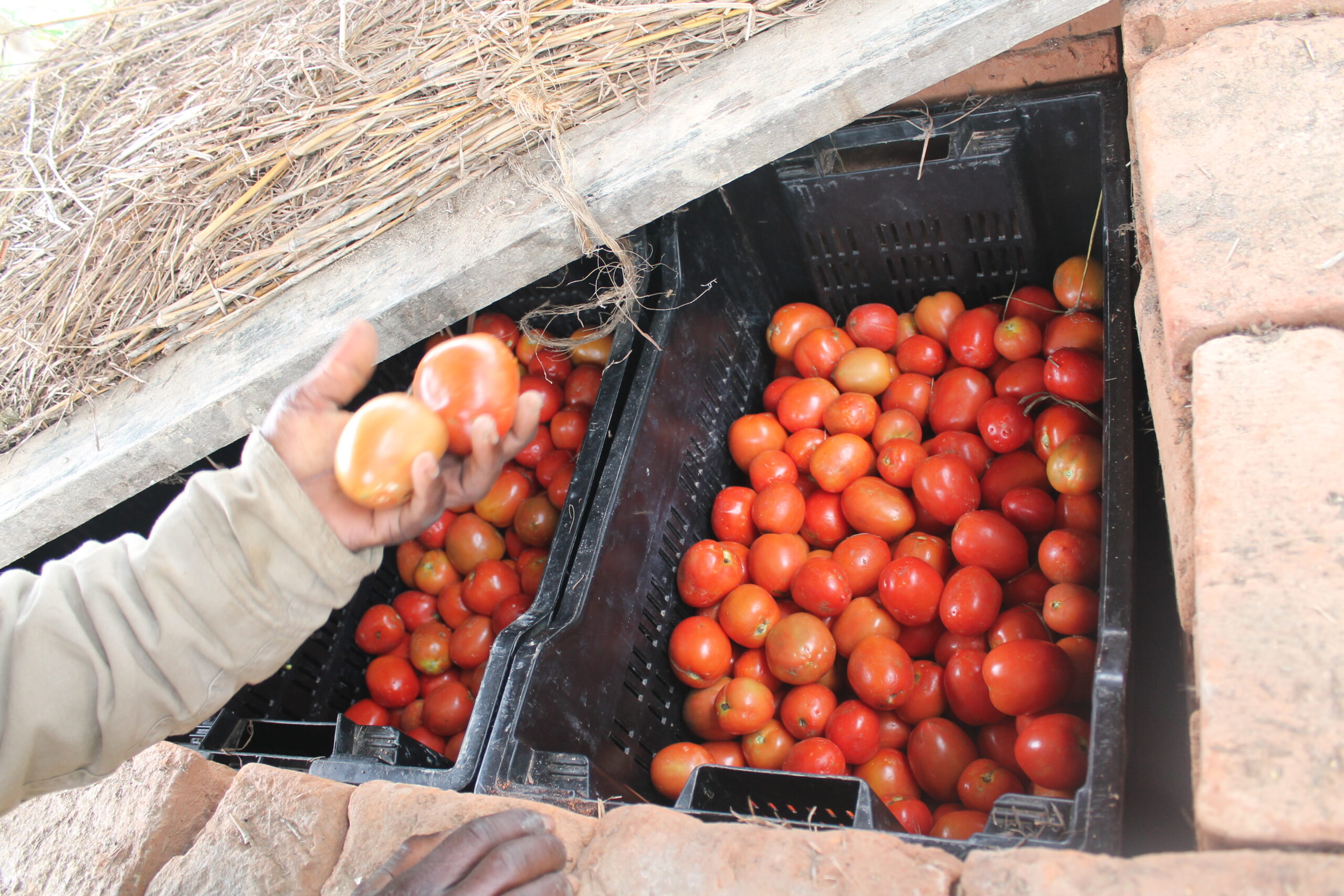
By Kilimokwanza Every tomato that rots in a crate before it reaches a market stall is a double loss. It is income that a…
By Kilimokwanza There is a persistent assumption in agricultural development circles that reducing chemical inputs means accepting lower yields. It is an assumption rooted…
By Kilimokwanza There is a tendency, when discussing poor nutrition in Africa, to frame the problem as one of individual choice: people eat badly…
By Kilimokwanza Thirty-five grams. That is roughly a quarter of a small mango. Half an orange. Two modest slices of papaya. It is the…
By Kilimokwanza Tanzania has a mobile money success story that much of the world envies. Seven in ten adults use mobile money services. Financial…
There is a story we tell ourselves about hunger and body weight in Africa, and it goes roughly like this: poverty causes undernutrition, and…
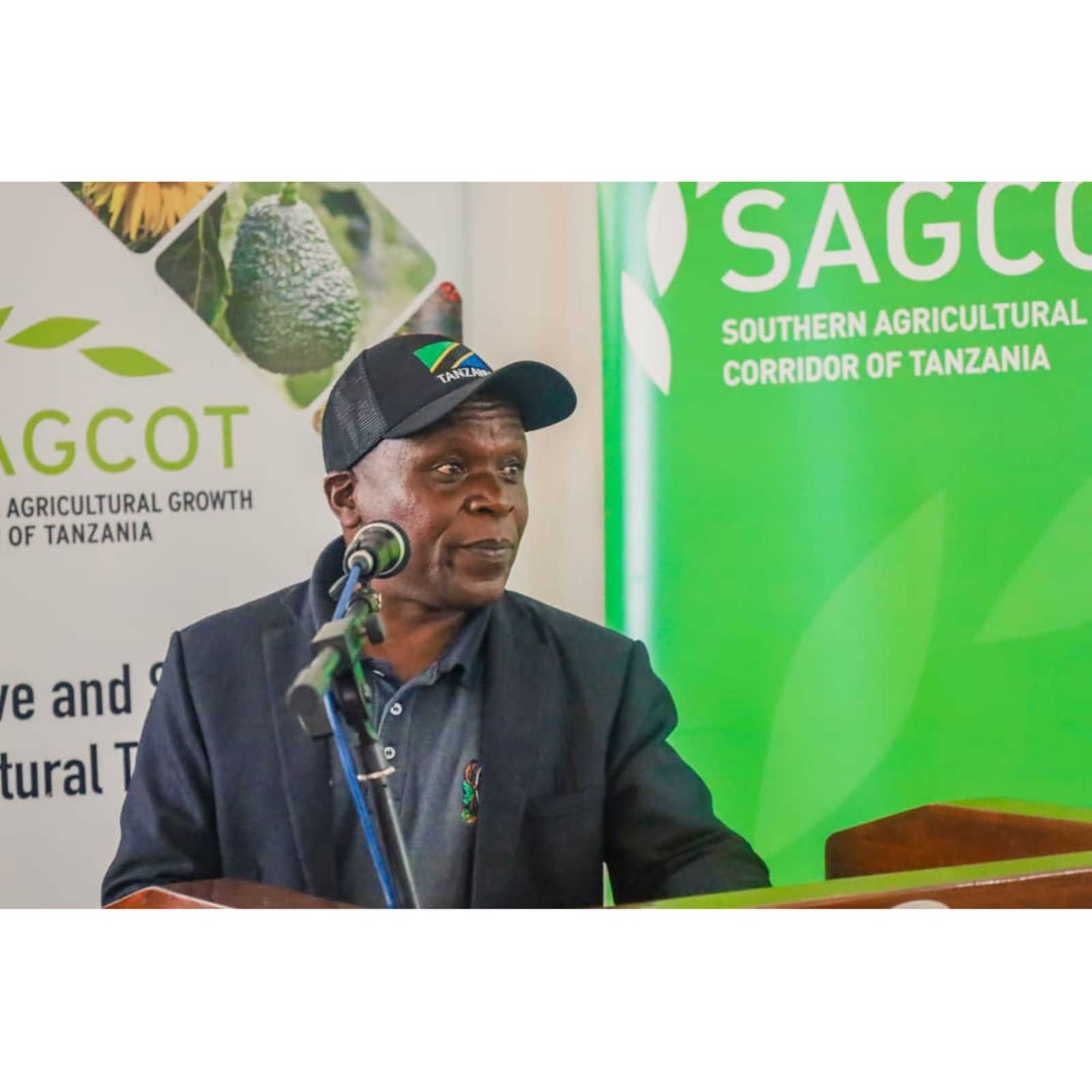
By Elizabeth Shumbusho In 2010, Tanzania launched an ambitious experiment. The Southern Agricultural Growth Corridor of Tanzania — SAGCOT — set out to bring…
Seven research briefs from the CGIAR Science Program on Better Diets and Nutrition paint a detailed and troubling picture: nearly all women surveyed consume…
By Kilimokwanza Mama Amina wakes before dawn to prepare breakfast for her family before the long walk to the shamba. She has never felt…
By Kilimokwanza There is a convenient assumption buried in conversations about vegetable production and nutrition in Africa: that more vegetables, grown by more farmers,…
By Kilimokwanza If Tanzania’s vegetable farming is dominated by a small number of crops, its fruit farming is dominated by a single one. The…
By Kilimokwanza Arusha and Kilimanjaro sit beside each other on the map, share a climate zone shaped by Mount Kilimanjaro, and are often grouped…
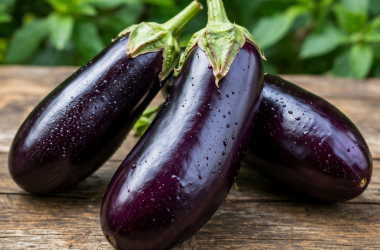
By Kilimokwanza Walk into a kitchen in Arusha or Kilimanjaro and you are likely to encounter African eggplant. Known locally as nyanya chungu, or…
A humble tuber grown in the mists of the Southern Highlands is quietly transforming the fortunes of thousands of Tanzanian families. With the founding…
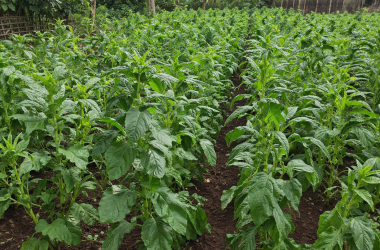
By Kilimokwanza Amaranth, known in Kiswahili as mchicha, is one of the most nutritionally dense leafy vegetables grown in East Africa. Rich in iron,…
By Kilimokwanza On a typical vegetable farm in Arusha or Kilimanjaro, tomatoes occupy a special place. They are grown on nearly half the plot…
By Kilimokwanza Correspondent The question of why so few Tanzanians eat enough fruit and vegetables is often framed as a market problem, a behaviour…
Ihemi Cluster · Iringa & Njombe · March 2026 Khalid Mgaramo:How public–private trustis actually built By Kilimokwanza Correspondent Ihemi Cluster Field Report · March…
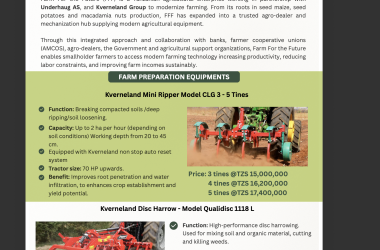
Farm For the Future, operating from Ilula in Iringa and backed by Norwegian agricultural equipment manufacturers Underhaug AS and Kverneland Group, has launched a…
A landmark CGIAR evaluation published in July 2025, covering 2,611 households across 33 villages in five districts, has produced the most granular picture yet…
KILIMOKWANZA SPECIAL SERIES: ON AGCOT • WHAT TRANSFORMATION ACTUALLY LOOKS LIKE Eighteen portraits from Tanzania’s agricultural corridor • Batch 4: The AGCOT Leadership • …